
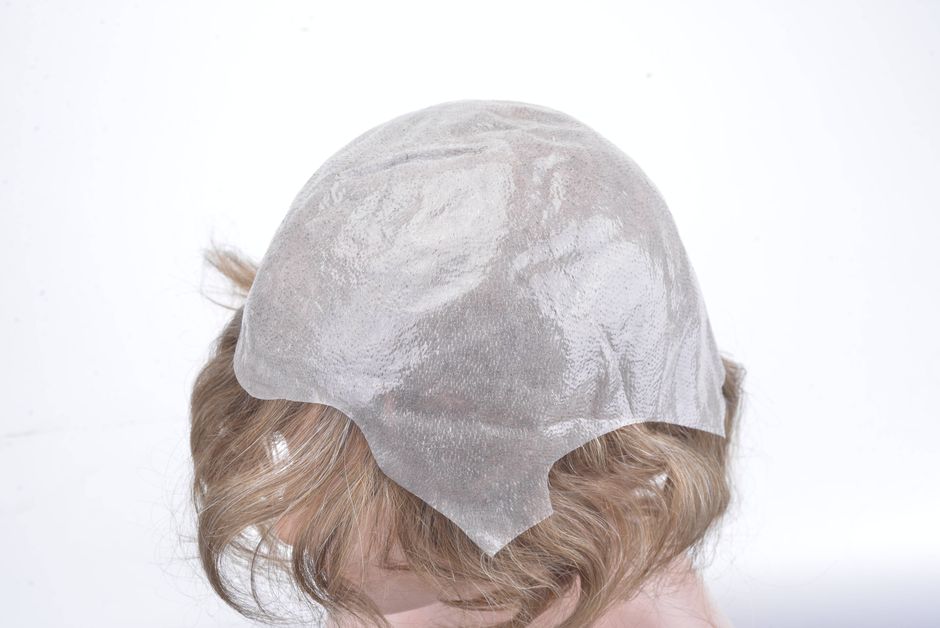
If you're dealing with hair loss or thinning, you've probably heard both "hair replacement systems" and "wigs" thrown around like they're interchangeable. They're not. Understanding the difference between hair replacement systems and wigs can help you make a choice that actually fits your life, not just your budget.
The short answer: hair replacement systems are custom-fitted, semi-permanent solutions designed to look and feel like your own hair, while traditional wigs are removable hairpieces you can take on and off whenever you want. One stays put; one doesn't. Both have their place, but they serve different needs.
Related: Men's Hair Systems Northern New Jersey: What to Know
Related: Custom Hair Systems Livingston NJ: Complete Guide
Related: Hair Replacement Systems for Men Over 40: A Complete Guide
Related: Hair Replacement Near Short Hills NJ: Your Local Guide
Related: How Long Do Hair Replacement Systems Last? Real Timeline
What's the Core Difference?
A traditional wig sits on top of your head and is held in place by an elastic band, comb clips, or adhesive tape that you apply yourself each time you wear it. You put it on, adjust it, and take it off at night or whenever you're done wearing it.
A hair replacement system, on the other hand, is professionally attached to your scalp using specialized adhesive or clips that are meant to stay in place for weeks or even months at a time. It's custom-cut and styled to blend seamlessly with your natural hairline and facial features. You don't take it off every night. It's designed to move, shower, and live with you.
Durability and Longevity
This is where the real advantage of hair replacement systems shows up. Because they're attached and not being removed daily, they last significantly longer than traditional wigs. A quality wig might hold up for 6 months to a year with regular wear and care. A hair replacement system, if maintained properly, can last many months of continuous wear without losing its shape or appearance.
Wigs get tugged on, reshaped, and exposed to friction every time you take them on and off. That daily stress adds up. Hair replacement systems sit still, which means less wear and tear on the base and hair fibers.
Related: Hair Replacement vs Hair Transplant: Which is Right for You?
Related: Hair Replacement Color Matching Process: How to Get It Right
Related: Non-Surgical Hair Replacement vs. Hair Transplants: Which Is Right for You?
That said, both require professional maintenance. Your hair replacement system needs periodic cleaning, reattachment, and adjustments as your natural hair grows or your scalp changes. Wigs need conditioning, styling, and eventual replacement of worn sections.
Comfort and Daily Wear
Here's something a lot of people get wrong: modern hair replacement systems are actually more comfortable for all-day wear than most wigs.
A wig is essentially a hat. It sits on your head. If it's not perfectly balanced or fitted, you'll feel it shifting, slipping, or causing pressure points. Many people wearing traditional wigs report headaches after a few hours, especially if the fit isn't exact. You're constantly aware you're wearing something.
A hair replacement system is attached directly to your scalp, so it doesn't shift or move unexpectedly. Once you get used to it, most people say they forget they're wearing one. There's no slipping, no readjusting between meetings, no worrying it'll come loose in a crowd.
The catch: the initial adjustment period takes time. Your scalp needs to acclimate to the attachment method and the weight of the hair replacement system. But within a week or two, most people report that it feels completely natural.
Related: Hair Replacement for Women with Thinning Hair: Your Complete Guide
Related: How to Maintain a Hair Replacement System: Complete Care Guide
Customization and Fitting
Wigs come in standard sizes and colors. You can find one that's close to your natural hair color and head size, and maybe make minor adjustments with clips or tape. It's a quicker process, and you can buy one off the shelf if you're in a rush.
Hair replacement systems require precision work. A professional needs to measure your head, map your natural hairline, and custom-cut the base to fit your scalp exactly. The hair is then styled and blended to match your natural hair texture, color, and growth pattern. This takes longer and costs more upfront, but the result is something that looks like your own hair grew back, not like you're wearing a hairpiece.
When Non-Surgical Hair Replacement fits a new client, the stylist is essentially creating a custom piece that's as unique as your fingerprint. No two hair replacement systems are exactly the same.
Lifestyle Considerations
Can you swim in a hair replacement system? Yes, but with precautions. Most attachment methods hold up fine in chlorine or saltwater if they're properly sealed, though you'll want to rinse and dry thoroughly afterward. Some people wear swim caps as extra protection.
Related: Types of Hair Replacement Attachment Methods Explained
Related: Can You Exercise With a Hair Replacement System?
Can you exercise in one? Absolutely. Sweat won't break down the adhesive on a quality system, and the attachment stays secure during workouts, running, or sports. You might sweat more under a hair replacement system than with natural hair, but that's it.
A traditional wig is trickier for active lifestyles. High-impact exercise, water sports, or anything that involves a lot of head movement can dislodge it. Wigs are better for occasional wear, formal events, or situations where you want the flexibility to take them off.
Cost and Maintenance
Upfront, a hair replacement system costs more than a standard wig. You're paying for custom fitting, professional application, and materials. But when you factor in longevity and how often you'll need replacement, the cost per month of wear often evens out or favors hair replacement systems.
Maintenance is different too. Wigs can be washed and styled at home, though professional care extends their life. Hair replacement systems need to be maintained by a professional. You'll come in for reattachment appointments, cleanings, and adjustments. This ongoing care is part of the commitment, but it's also what keeps your system looking fresh and secure.
The Comfort Factor You Might Not Expect

One huge psychological difference: hair replacement systems eliminate daily decision-making. You don't wake up and decide whether to wear it today. It's there. You shower with it, sleep with it, live your life with it. No mornings spent choosing a wig from your collection or worrying about how it looks.
For people with significant hair loss or thinning, this mental relief is massive. You get your confidence back not just from how you look, but from not thinking about it constantly.
Wigs give you flexibility and options, which some people love. You can switch styles, try different colors, and have backup pieces if one needs repair. But that choice can also be a burden if you're dealing with the emotional weight of hair loss.
Which One Should You Choose?
Hair replacement systems make sense if you want a long-term, wear-it-every-day solution that looks completely natural and doesn't require daily fussing. They're ideal if you have an active lifestyle or want consistent appearance without maintenance headaches.
Traditional wigs work better if you want flexibility, occasional wear, or the ability to try different looks without committing to a single system. They're also a good starting point if you're new to hair replacement and want to test things out before investing in a permanent system.
Here's the honest take: the best choice depends on your lifestyle, budget, and what you need psychologically. Some people thrive with options. Others feel liberated by committing to one solution and moving on with their life.
If you're in the Livingston, New Jersey area or nearby towns like Fairfield, Madison, Roseland, Short Hills, or West Orange, talking to a specialist can help. A professional can assess your hair loss, explain your options, and help you figure out which approach makes sense for you personally. Non-Surgical Hair Replacement offers consultations where you can explore both directions without pressure.
Common Myths Debunked
Let's clear up some stuff you might have heard.
Myth 1: Modern hair replacement systems look fake. They don't. Advances in base materials, hair quality, and customization mean that professional systems look indistinguishable from natural hair. The "wiggy" look is usually associated with poorly fitted traditional wigs, not quality hair replacement systems.
Myth 2: Only older men wear hair replacement systems. That's outdated. Hair replacement systems are used by people of all ages and genders dealing with hair loss from genetics, medical conditions, stress, or other causes. Younger people are increasingly choosing them because they work.
Myth 3: Hair replacement systems are uncomfortable for daily wear. Once fitted and adjusted, most people find them more comfortable than wearing a wig all day. You forget you're wearing one.
Myth 4: You can't swim or exercise in a hair replacement system. You absolutely can. Proper attachment means your system stays secure through workouts, water, and sweat. Just rinse and dry afterward.
Next Steps: Getting Started
The only way to really know which option is right for you is to talk to someone who understands both. A consultation lets you ask questions, see examples, and figure out what fits your life.
If you're exploring hair replacement systems vs wigs and want professional guidance, book a consultation to discuss your options. The team can walk you through the process, answer your concerns, and help you find the solution that works best for you.
Located in Livingston, NJ, they specialize in non-surgical hair replacement alongside comprehensive salon and spa services. You'll get personalized attention from trained professionals who know the details of both systems inside and out.
Related: Non-Surgical Hair Replacement for Alopecia: What Works
Related: Non-Surgical Hair Replacement Cost: What You'll Actually Pay in 2026
FAQs About Hair Replacement Systems vs Wigs
How long does a hair replacement system last before needing replacement?
A quality hair replacement system, with proper care and maintenance, can last many months of continuous daily wear. The exact timeline depends on the materials used, how well you care for it, and how your scalp changes over time. Your professional will let you know when it's time for a refresh or replacement.
Can I wear a hair replacement system while sleeping?
Yes. Many people wear their hair replacement systems 24/7, including while sleeping. Some prefer to remove it at night to give their scalp a break, which is also fine. It depends on your comfort and preference.
Are hair replacement systems noticeable up close?
A professionally fitted and maintained hair replacement system should be undetectable up close. The hairline blends naturally, the base is invisible under hair, and the overall appearance matches your natural hair. This is one of the biggest advantages over traditional wigs.
What's the learning curve for taking care of a hair replacement system?
Most of the care is handled by professionals during maintenance appointments. You'll learn basic daily care like gentle washing and drying, but it's straightforward. Your stylist will walk you through everything you need to know during your fitting and follow-up visits.