
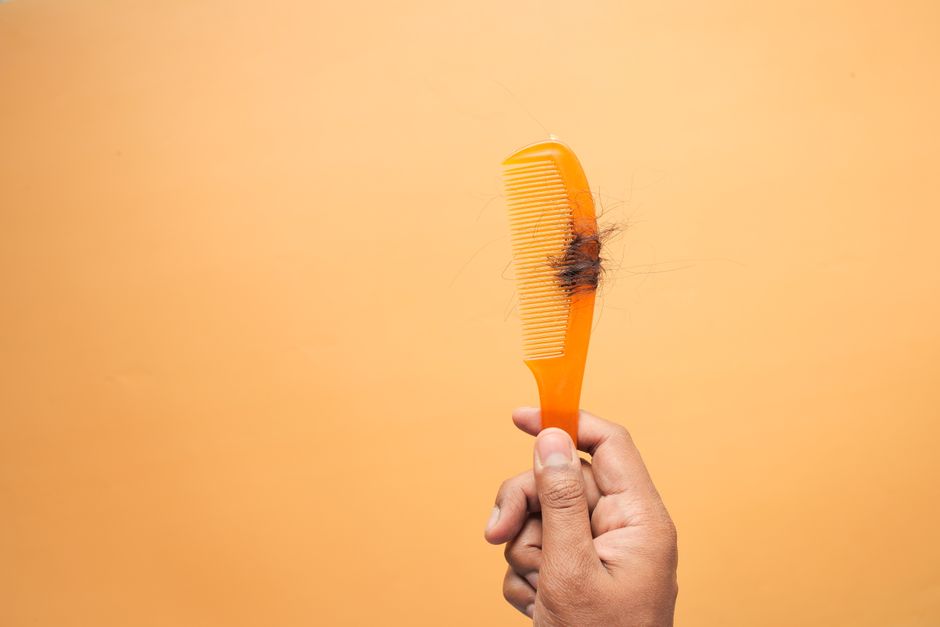
If you're dealing with alopecia, you've probably heard about surgery and medications. But here's the thing: non-surgical hair replacement for alopecia is a real alternative that works fast, looks natural, and doesn't require downtime or a pharmacy cabinet. Let's break down how it actually helps.
What Non-Surgical Hair Replacement Really Is
Non-surgical hair replacement isn't a pill, a lotion, or a surgical transplant. It's a customized hairpiece or system that sits on your scalp and blends with your natural hair (or covers areas where hair has thinned or fallen out completely). Think of it as a precision-fitted solution designed specifically for your head, your hair color, and your lifestyle.
These systems come in different forms. Some are smaller toppers that add volume to thinning areas. Others are full hairpieces that replace larger sections of missing hair. The key is that they're tailored to you, not a one-size-fits-all wig.
Why People Choose Non-Surgical Options for Alopecia
Alopecia—whether it's androgenetic alopecia (pattern baldness), alopecia areata, or another type—can hit hard emotionally and physically. Non-Surgical Hair Replacement addresses this in three immediate ways.
Related: Non-Surgical Hair Replacement for Women vs. Men in 2026
Related: Can You Exercise With a Hair Replacement System?
First, results happen right away. You don't wait months or years. You walk in, get fitted for your system, and walk out looking like yourself again. No recovery period. No scarring. No waiting to see if treatment "takes."
Second, it's reversible. Not happy with it? Take it off. Want to try something different? Switch it up. With surgery or medication, you're making a bigger commitment. With non-surgical replacement, you control the timeline.
Third, it avoids the risks and side effects of other treatments. Oral medications for hair loss can come with headaches, sexual dysfunction, or other unwanted effects. Surgery carries infection risk and scarring. Non-surgical systems don't.
How Non-Surgical Hair Replacement Works
The process starts with a professional assessment of your hair loss, scalp condition, and goals. A trained specialist will look at factors like the extent of your hair loss, your natural hair color and texture, and how much coverage you need.
Related: How Non-Surgical Hair Replacement Works: Complete Process
From there, your system is customized. The base matches your scalp tone. The hair is selected to match your natural color, texture, and density. It's anchored securely so it stays put during daily activities, exercise, or even swimming—depending on the type of system you choose.
The result looks like your own hair growing from your scalp, not like you're wearing a wig. That's the whole point.
Types of Non-Surgical Solutions for Alopecia

There's more variety than you might think.
Full hairpieces cover your entire scalp. These work well for complete baldness or severe alopecia where you want total coverage. They anchor securely and can be styled like natural hair.
Toppers or half-pieces cover just the top or front of your head. These are great if you still have hair around the sides and back. They blend seamlessly and add volume where you need it most.
Hair integration systems work with your existing hair, blending replacement hair with what you already have. This approach is ideal if you have some hair but significant thinning in patches.
Each option is customizable in color, length, texture, and style. You get to choose how your replacement hair looks—straight, wavy, curly, or anything in between.
Caring for Your Non-Surgical Hair Replacement
These systems aren't complicated to maintain, but they do need attention. Think of it like caring for your natural hair, with a few extra steps.
Daily care includes gentle handling—no harsh brushing or yanking. You'll wash it regularly with mild shampoo to keep it clean and fresh. Depending on the type of system, you might take it off at night to let your scalp breathe, or you might keep it on longer-term with periodic maintenance visits.
Professional maintenance is important too. Your system will eventually need adjusting as your scalp changes, or it might need color refreshing if you want to switch things up. A trained professional ensures everything stays secure, looks natural, and performs the way you expect.
Is Non-Surgical Hair Replacement Right for Your Alopecia?
Most people with alopecia are good candidates. Whether you have androgenetic alopecia, alopecia areata, traumatic hair loss, or another form, non-surgical replacement can help restore your appearance and confidence.
Related: What to Expect at a Hair Replacement Consultation
Related: Am I a Candidate for Non-Surgical Hair Replacement?
The best way to know if it's right for you is to talk to a professional who specializes in non-surgical hair solutions. They'll assess your specific situation, discuss your goals, and recommend the approach that fits your needs and lifestyle.
If you're in the Livingston, New Jersey area or nearby Essex County towns like Fairfield, Madison, Roseland, Short Hills, or West Orange, Non-Surgical Hair Replacement offers personalized consultations to help you explore your options and see what works best for you.
Related: Best Non-Surgical Hair Replacement Options in New Jersey 2026
Related: Hair Replacement for Men in Livingston, NJ | Non-Surgical Options
Related: Non-Surgical Hair Replacement in Livingston NJ: What to Know
What to Expect in Your First Consultation

A good consultation is educational, not pushy. A trained specialist will ask about your hair loss history, your goals, and any concerns you have. They'll examine your scalp and remaining hair to understand your situation fully.
They'll show you examples of systems, discuss different options, and be honest about what's realistic for your specific type of alopecia. You'll get to see how different styles and colors might look on you. Many consultations include a trial fit so you can experience what non-surgical replacement actually feels like before committing.
Related: Non-Surgical Hair Replacement Cost: What You'll Actually Pay in 2026
This is also when questions get answered. Ask about the cost, the maintenance schedule, how long systems typically last, and anything else on your mind. A qualified professional should explain everything clearly and help you feel confident in your decision.
Non-Surgical Hair Replacement vs. Other Alopecia Treatments
For comparison, let's look at the main alternatives you might be considering.
Medications: Oral and topical hair-loss drugs work for some people, but they require ongoing use (you stop taking them, hair loss can resume), and they come with potential side effects. Results are gradual and sometimes modest.
Surgical hair transplants: These involve moving hair from one part of your scalp to another. Results can be good, but surgery carries risks of infection, scarring, and cost. Recovery takes weeks. You're waiting months for the transplanted hair to fully grow in and show real results.
Non-surgical replacement: Results are immediate, there's no recovery, no side effects, and it's reversible. The tradeoff is that it's a wearable system that needs maintenance, not a permanent biological change.
Many people choose non-surgical options because they want to see results today, not months from now. Others combine non-surgical replacement with medications or other approaches for a customized treatment plan.
Finding a Professional You Can Trust
Your success with non-surgical hair replacement depends heavily on who fits and maintains your system. You want someone with real training and experience, not just someone selling hairpieces.
A good specialist understands different types of alopecia, knows how to match systems to individual needs, and has a track record of creating natural-looking results. They should listen to your concerns, explain everything clearly, and follow up with quality maintenance and support.
When you're ready to explore your options, schedule a consultation with Non-Surgical Hair Replacement. Located in Livingston, NJ, the team specializes in custom non-surgical hair solutions for alopecia and other hair loss. They also offer facial treatments and skin care services if you're interested in comprehensive beauty support.
Frequently Asked Questions
Does non-surgical hair replacement work for alopecia areata?
Yes. Alopecia areata causes patchy hair loss, and non-surgical systems can cover affected areas while your natural hair grows back (if it does), or provide permanent coverage if regrowth doesn't happen. A professional can assess your specific patches and recommend the best solution.
How long does a non-surgical hair replacement system last?
Most systems last several months to a couple of years, depending on the quality of the system, how often you wear it, and how well you care for it. Your specialist will give you a realistic timeline and discuss maintenance or replacement options as needed.
Can you shower with non-surgical hair replacement?
It depends on the type of system. Some systems are designed for daily wear and can handle water, while others are meant to be removed before showering. Your specialist will explain exactly what you can and can't do with your specific system.
Will non-surgical hair replacement look natural?
When fitted and maintained by a professional, yes. The goal is for your replacement hair to blend seamlessly with your natural hair and look like it's growing from your own scalp. Natural-looking results come from proper fitting, matching your hair color and texture closely, and skilled styling.