
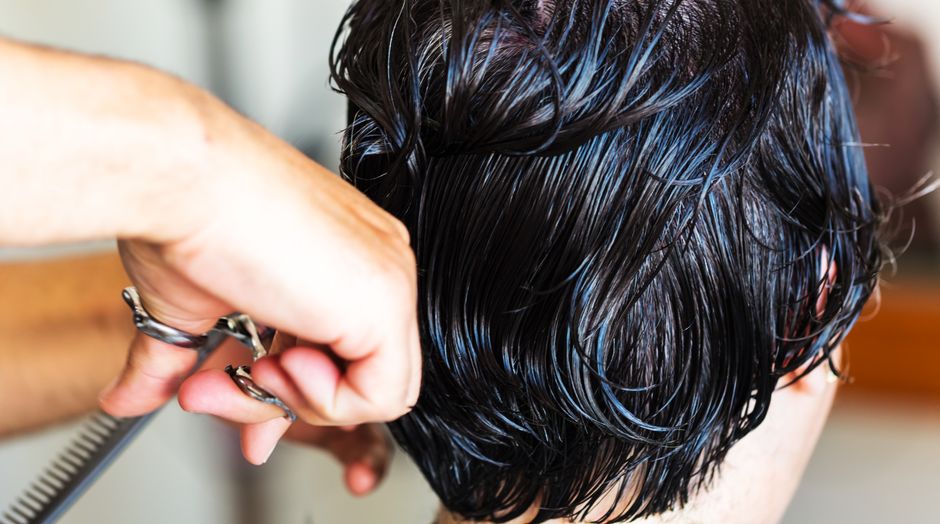
Maintaining a hair replacement system isn't complicated, but it does require consistency and the right approach. If you're wearing a non-surgical hair system and want it to look great and last as long as possible, you need to know how to clean it, remove it safely, and care for it between wears. Here's everything you need to know about keeping your system in top shape.
Why Maintenance Matters for Your Hair System
Your hair replacement system is an investment. It's made of real or synthetic hair attached to a base material, and both parts need proper care to stay functional and look natural. When you skip maintenance or use the wrong products, the adhesive breaks down faster, the hair gets matted or tangled, and the base can deteriorate. You'll end up replacing your system sooner than necessary.
Think of it like your car: regular maintenance keeps it running smoothly and extends its life. The same principle applies here. A solid maintenance routine is the difference between a system that lasts months and one that lasts much longer.
The Weekly Cleaning Routine for Your Hair System
The foundation of maintaining a hair replacement system is a consistent weekly cleaning schedule. You don't need to wash it every single day, and in fact, over-washing can damage the hair and weaken the adhesive bond.
Related: Hair Replacement for Women with Thinning Hair: Your Complete Guide
Related: How to Choose a Hair Replacement System: A Complete Guide
Related: Hair Replacement for Women in Livingston, NJ: Your Complete Guide
Related: How Non-Surgical Hair Replacement Works: Complete Process
Related: Keratin Hair Straightening in Livingston, NJ: Complete Guide
Related: Women's Hair Toppers in Livingston NJ: Complete Guide
Related: Hair Replacement Near Short Hills NJ: Your Local Guide
Related: Hair Toppers for Thinning Hair: A Complete Guide
Related: Thinning Hair Solutions Livingston NJ: A Complete Guide
Related: Custom Hair Systems Livingston NJ: Complete Guide
Related: Hair Replacement Systems for Men Over 40: A Complete Guide
Related: Non-Surgical Hair Loss Solutions in New Jersey: Your Guide
Here's your basic weekly protocol:
- Plan to clean your system once a week or every 7-10 days depending on how much you sweat or how active you are
- Use lukewarm water, not hot water, which can damage both synthetic and human hair
- Choose shampoo and conditioner specifically formulated for hair systems, not regular drugstore products
- Gently work the shampoo through the hair from roots to ends, being careful not to tug or pull
- Rinse thoroughly until the water runs clear
- Apply conditioner to the mid-lengths and ends, leave it for a few minutes, then rinse again
- Pat the system dry with a soft towel; don't wring or twist it
The key is using gentle, deliberate movements. Your hair system isn't as resilient as natural hair growing from your scalp, so treat it with care.
Safe Removal: The Adhesive Step Everyone Gets Wrong
How you remove your system matters just as much as how you clean it. Improper removal can cause hair loss from the base and damage the foundation material, making the system unwearable.
Always use an adhesive remover or solvent specifically designed for hair systems. Never try to peel the system off dry or use household products. The steps are straightforward:
- Dampen the edges of the system where it meets your skin with adhesive remover
- Let the remover sit for 30-60 seconds to break down the bond
- Gently peel up one corner, working slowly around the perimeter
- Once the system is loose, carefully remove any remaining adhesive residue from both the base and your scalp
- Use a gentle peeling motion with your fingertips; never scratch or force
If you notice adhesive stuck to the hair strands themselves, soak those areas in remover and work through them gently with your fingers. Leftover adhesive will buildup over time and damage the hair quality.
Choosing the Right Products for Long-Term Care
Standard hair products are made for hair growing naturally from your scalp. They're too heavy or contain chemicals that break down the adhesive or coat synthetic or treated human hair in ways that cause matting.
Invest in products made for hair systems. These are lighter, gentler, and formulated to respect both the hair and the adhesive bond. When shopping for maintenance products, look for items labeled specifically for hair replacement, extensions, or wigs.
Beyond shampoo and conditioner, you may want to keep a lightweight leave-in conditioner on hand for touch-ups between full washes. A light spray conditioner can refresh the hair and reduce tangles without the buildup of heavier products. Your Non-Surgical Hair Replacement professional can recommend specific brands and products that work best with your system type.
Environmental Factors That Affect Your System
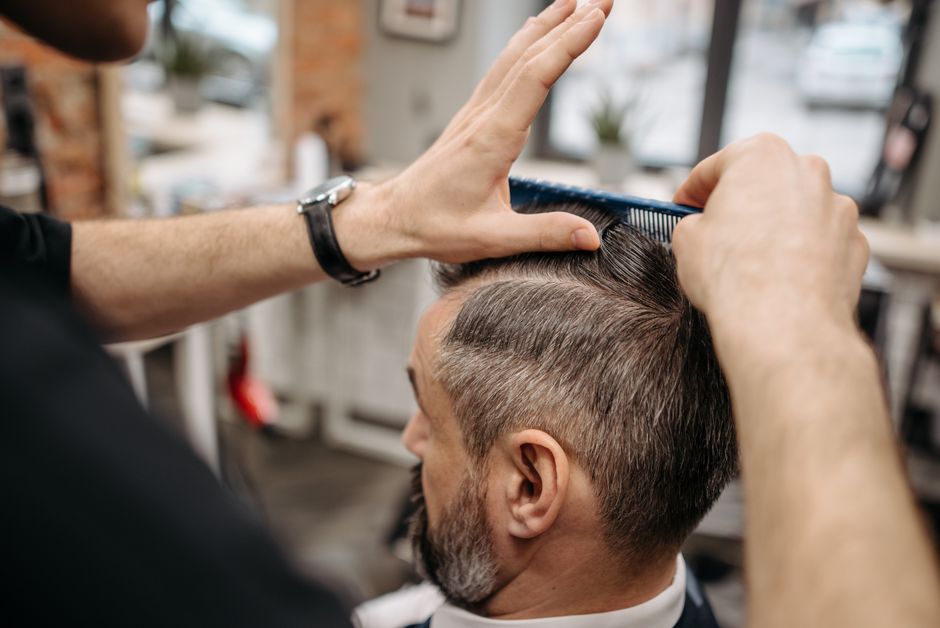
Where you live and what you do matters. Heat, humidity, and moisture are the enemies of hair replacement systems.
In hot, humid climates or during summer months, your system faces extra stress. Sweat breaks down adhesive faster, and humidity can cause the hair to frizz or swell slightly. If you live in an air-conditioned environment most of the time, maintenance is easier because the conditions are more stable.
Swimming and water activities are generally off-limits for hair systems. Chlorine and saltwater can damage the hair and compromise the adhesive bond. If you must be in water, some people wear a tight swimming cap for protection, but this isn't foolproof. Plan water activities around days when you'll be removing your system anyway.
High-humidity days or sweaty workouts mean your system needs cleaning sooner than usual. Listen to what your system is telling you. If it looks dull, smells off, or feels loose, it's time to clean it and re-adhere it.
Daily Care Between Washes
Between your weekly cleaning sessions, there's still maintenance to handle. Each night when you remove your system, place it on a clean stand or wig head. This keeps it from getting crushed and helps it maintain its shape.
Gently brush through the hair with a wide-tooth comb or a brush designed for extensions. Work from the ends upward to detangle without pulling on the base. If you notice tangles or matting, a light spritz of leave-in conditioner can help, but don't overdo it.
Keep your system away from direct sunlight, heat sources, and pets. Sunlight can fade the hair color over time, and heat can damage synthetic fibers or alter the texture of treated human hair.
Every few weeks, do a light spot-clean if you notice a small area that needs attention. You don't always need to do a full wash. A targeted rinse with cool water and a tiny bit of system-specific shampoo can freshen up problem spots.
Adhesive Management and Reapplication
The adhesive bond naturally weakens over time and with exposure to oils, moisture, and friction. You'll need to reapply adhesive regularly, and knowing when is part of smart maintenance.
Most people reapply adhesive every 3-5 weeks, depending on their skin chemistry, activity level, and how much they sweat. Signs that your system needs a fresh adhesive application include:
- Edges that feel loose or lift away from your skin
- Movement or shifting when you touch your head or move around
- Visible gaps between the system and your scalp
- A spongy or unstable feeling at the perimeter
When you reapply, remove all old adhesive residue first. Applying new adhesive over old buildup creates an unstable bond and traps moisture against your skin, which can cause irritation.
Use adhesive products formulated for your specific system type. Some systems work better with liquid adhesives, while others do well with strips or tapes. The professionals at Non-Surgical Hair Replacement in Livingston can show you the best application technique and help you choose the right adhesive for your lifestyle.
Storing Your System When You're Not Wearing It
If you have backup systems or take extended breaks from wearing your replacement system, proper storage extends its life.
Store your system on a clean wig stand or head form in a cool, dry place away from direct sunlight. Never store it folded, compressed, or in a tight space where it can get crushed. A dedicated storage box or bag, lined with soft fabric, works well.
Keep stored systems away from pets, children, and high-traffic areas. Dust can settle on the hair over time, so you may want to cover your storage stand with a loose fabric cover.
If you store a system for more than a few weeks, check on it periodically. Make sure no humidity is building up in the storage area and that the system hasn't shifted or gotten damaged.
When to Call a Professional for Help
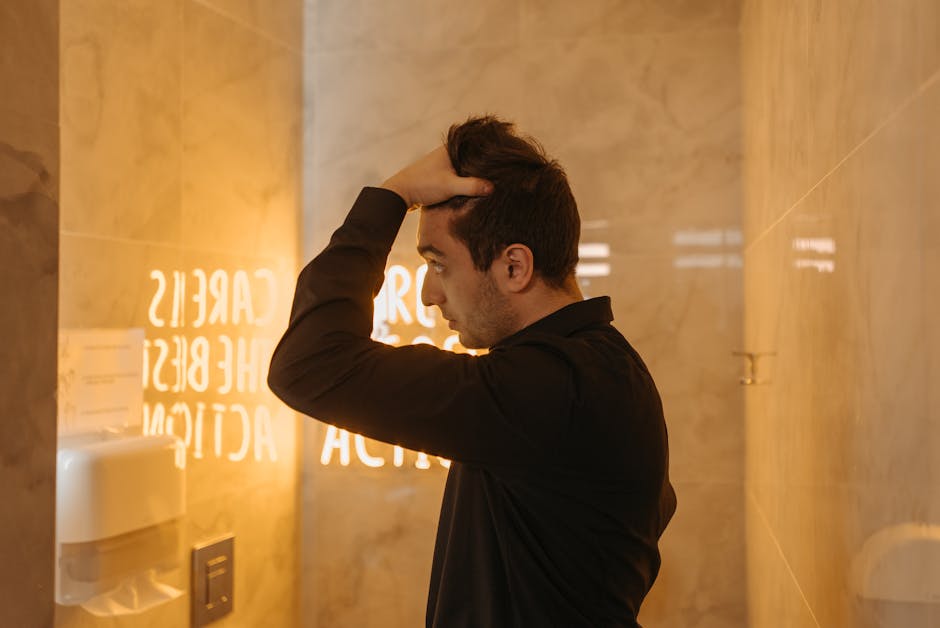
Some maintenance tasks are DIY-friendly, but others benefit from professional attention. If you notice hair loss from the base, cracks or damage to the base material, or persistent adhesive problems, it's time to reach out to a specialist.
Professional maintenance services can include deep cleaning, base repairs, adhesive application, and troubleshooting fit issues. Getting professional help early prevents small problems from becoming expensive ones.
If you're new to wearing a hair system or you want personalized guidance on maintenance that's tailored to your specific system and lifestyle, Non-Surgical Hair Replacement is located in Livingston, NJ and serves the surrounding Essex County area. The team there can walk you through your exact maintenance routine and answer questions about your system.
Troubleshooting Common Maintenance Issues
Even with the best care, issues pop up. Here's how to handle the most common ones.
Matted or tangled hair: Use a wide-tooth comb and light leave-in conditioner. Work gently from the ends upward. If tangling is severe, a professional cleaning and conditioning treatment might be necessary.
Dull or lifeless appearance: Your system needs cleaning. Switch to a fresh shampoo and conditioner designed for hair systems, and make sure you're conditioning every time you wash.
Loose edges or shifting: Time for an adhesive reapplication. Remove old adhesive completely and apply fresh product, following application instructions for your system type.
Frizz or flyaways: This is often a sign of dryness or static. A light leave-in conditioner or anti-frizz spray made for hair systems can help. Make sure you're conditioning regularly during washes.
Itching or irritation under the system: This could mean old adhesive residue, buildup on your scalp, or the adhesive itself irritating your skin. Remove the system, clean both your scalp and the base thoroughly, and consider switching to a gentler adhesive or reducing wear time.
Extending the Life of Your Investment
A hair replacement system is a significant investment, and you want it to work well for as long as possible. Consistent, gentle maintenance is the single best way to protect that investment.
Think about your daily habits and environment, and build a maintenance routine that fits your lifestyle. If you're very active and sweat a lot, you'll need to clean more frequently. If you live in a stable climate and don't sweat much, you can spread cleanings further apart.
Keep detailed notes on what works for you: which products feel best, how often you reapply adhesive, which cleaning schedule keeps your system looking freshest. Over time, you'll develop an intuition for what your system needs.
And remember, the professionals at Non-Surgical Hair Replacement are here to support you. Whether you need guidance on your first cleaning or you've been wearing a system for years and want to troubleshoot a problem, expert advice is just a consultation away.
FAQs About Hair System Maintenance
How often should I wash my hair replacement system?
Wash your system about once a week, or every 7-10 days depending on how active you are and how much you sweat. Over-washing can break down adhesive and wear out the hair faster. If you swim, exercise heavily, or live in a very hot climate, you may need to wash more often. Listen to your system and wash when it starts to look dull or feel uncomfortable.
Can I use regular shampoo and conditioner on my hair system?
No. Regular hair products are too heavy and contain chemicals that can break down the adhesive bond and coat the hair in ways that cause matting and buildup. Always use shampoo and conditioner specifically formulated for hair systems, wigs, or extensions. These products are gentler and formulated to respect both the hair and the adhesive.
What's the best way to remove my hair system without damaging it?
Always use an adhesive remover or solvent designed for hair systems. Dampen the edges where the system meets your skin, let the remover sit for 30-60 seconds, then gently peel up one corner and work around the perimeter. Slowly remove the system and carefully peel away any leftover adhesive from both the base and your scalp. Never force it or try to peel it off dry.
Can I swim or shower with my hair system on?
Showering is fine as long as you use gentle handling and lukewarm water. Swimming is not recommended because chlorine and saltwater can damage the hair and compromise the adhesive bond. If you must be in water, wear a tight swimming cap for protection, but this isn't completely foolproof. Plan water activities around days when you've already removed your system.