

Getting your hair replacement color to match perfectly is one of the biggest factors in making it look natural and undetectable. If the color is off, even slightly, people will notice. The good news is that the color matching process is systematic, professional, and something you don't have to figure out on your own.
Here's what you need to know about how color matching works and why it matters so much for your final result.
What Is Hair Replacement Color Matching?
Color matching is the process of selecting a hair system shade that blends seamlessly with your natural hair. It's not just about picking a single color—it's about analyzing your existing hair, understanding its undertones, and finding a replacement system that disappears into your overall look.
Think of it like matching paint to a wall. The base shade might look right in the store, but once it's on your wall next to existing paint, you see the difference. Hair color works the same way. Your replacement hair has to blend with your bio hair (the hair still growing from your scalp) in different lighting, at different angles, and throughout the day.
This is why the hair replacement color matching process requires careful attention and professional expertise.
Why Color Matching Matters So Much
If your hair replacement color doesn't match, your entire look suffers. Mismatched color draws attention to the system instead of making it invisible. It can look like you're wearing a hairpiece, which defeats the whole purpose of getting a hair replacement system in the first place.
The right color match means your system integrates naturally with your existing hair. You can style it however you want, and nobody will suspect it's a replacement system. That confidence matters.
Related: Hair Replacement Systems vs Wigs: Which is Right for You?
Related: Non-Surgical Hair Replacement vs. Hair Transplants: Which Is Right for You?
Related: Hair Replacement vs Hair Transplant: Which is Right for You?
Step 1: Analyze Your Natural Hair Color in Detail
Before any color matching happens, a professional needs to examine your natural hair closely. This isn't a glance—it's a detailed analysis.
They'll look at your base color, which is the dominant shade you see when you look at your hair. But they'll also check for secondary colors, highlights, or variations in tone. Many people's hair isn't a single flat color. You might have darker roots, lighter mid-tones, or subtle warm or cool undertones running through it.
They'll also assess how much gray hair you have and where it's distributed. Gray hair changes how color reads overall. If you have 30% gray mixed throughout, that affects the final appearance much differently than having gray only at the roots.
Professional color analysis looks at your hair under different lighting too. Your color might look different in natural sunlight versus indoor lighting, and this matters for getting a true read.
Step 2: Determine Your Undertone Profile
Hair color isn't just about depth (how light or dark it is). It also has undertones—the subtle warm, cool, or neutral qualities underneath the surface color.
Your natural hair might have warm golden undertones, cool ash undertones, or something neutral in between. If your replacement hair has the wrong undertone, it will look off even if the depth is perfect. Warm replacement hair blended with cool-toned natural hair will look jarring.
A trained professional can identify your undertone by examining your hair in different conditions and comparing it to reference charts and color samples.
Step 3: Test Color Samples Against Your Hair
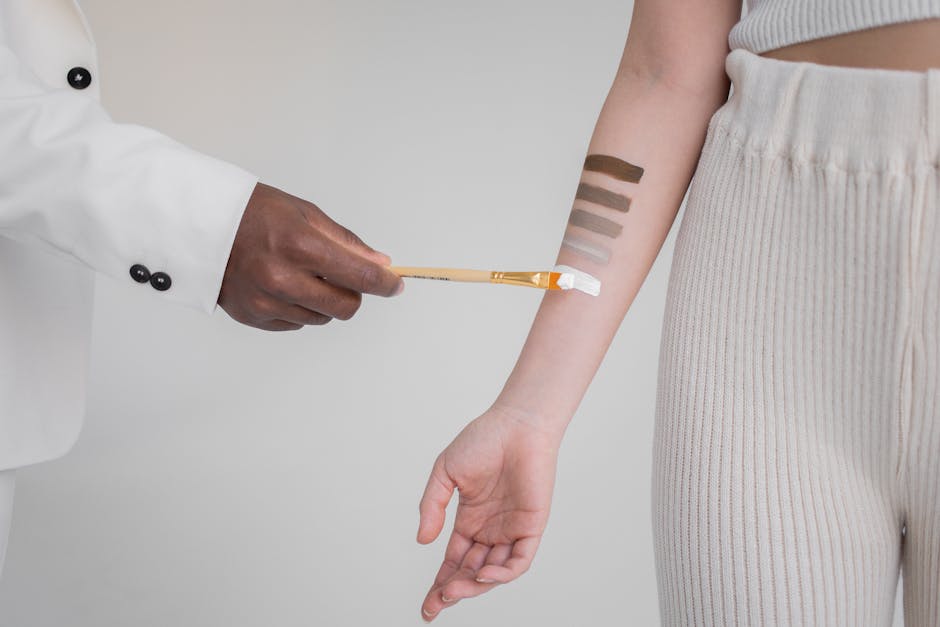
This is where the real magic happens. Professional color matching involves physically placing hair samples against your natural hair to see how they blend.
The samples are held up next to your bio hair in the same lighting where you'll be wearing your replacement system most often. Do you spend most of your time indoors under fluorescent lights? Do you work outside? Do you go to the gym? All of these environments matter.
The samples might also be compared at the hairline and throughout different sections of where the replacement system will sit. Color can look different depending on density and how light hits it.
A professional won't just say, "Yeah, that looks close enough." They'll hold samples, compare them, and often test multiple options to find the best match. This process takes time because getting it right is that important.
Step 4: Account for Processing and Maintenance
Hair systems need care, and that care can affect color over time. The color matching professional considers how your chosen color will hold up with washing, styling, and regular maintenance.
Some color options are more stable than others. The professional will discuss how your replacement hair will age and whether the color match will remain consistent as the system is worn and maintained.
This is also where they might discuss whether your natural hair color changes seasonally or with different styling products you use. All of these factors play into selecting a color that stays matched over time.
Step 5: Finalize and Document Your Color Choice
Once the perfect match is found, it gets documented. The professional records the exact shade, undertone, and any special notes about gray distribution or color variation.
This documentation is important because if you ever need adjustments or replacement hair down the road, the professionals have a record of exactly what was matched.
When you're ready to explore your options with an expert who understands every detail of the color matching process, Non-Surgical Hair Replacement offers personalized consultations where they analyze your hair and walk you through color selection step by step.
Common Challenges in Color Matching
Not every color match is straightforward. Some situations make the process more complex.
If you have significant gray hair, matching becomes trickier because you're not just matching one color—you're matching a blend. The gray needs to be represented proportionally in your replacement hair for it to look natural.
If your natural hair has multiple tones or is in transition (like if you're growing out a previous color), the professional needs to match to where your hair currently is and anticipate where it's going.
If you have very light or very dark hair, finding exact matches can be challenging. Some color ranges are more limited at the extremes.
Seasonal changes matter too. Your hair might look different in summer versus winter, and the professional will keep this in mind.
What Happens If Color Match Isn't Perfect the First Time?

Even with professional color matching, sometimes you get your system and realize the color isn't quite right. This can happen because hair looks different on your head than it does in a sample, or lighting at home is different from the salon.
The good news is that adjustments are possible. A professional can often do color correction on a hair system, or they can help select a better option before ordering a new system.
This is why working with trained professionals throughout the process matters. They can troubleshoot and fix color issues if they come up.
Tips for Keeping Your Color Match Looking Fresh
Once you have a perfectly matched system, maintenance helps keep that match intact.
- Wash your replacement hair gently and use products recommended by your professional.
- Avoid excessive heat styling unless your system is designed for it.
- Store your system properly when not wearing it.
- Have regular touch-ups with your professional to keep the system in top shape.
- Protect your system from chlorine and saltwater when possible.
If your natural hair changes color (like if you go gray or dye it), your replacement hair needs to be adjusted to stay matched. This is why ongoing communication with your professional is important.
The Bottom Line on Hair Replacement Color Matching
The hair replacement color matching process is detailed, technical, and really important. It's not something you should rush or try to do casually. The difference between a great color match and a mediocre one is the difference between a system that looks completely natural and one that screams "hairpiece."
Professional color matching takes your unique hair into account—its depth, undertone, gray content, and how it looks in real-world lighting. It considers your lifestyle and how the color will hold up with normal wear and care.
If you're considering a hair replacement system and want to understand how color matching works for your specific hair, booking a consultation with trained professionals is the best first step. They can assess your hair, discuss your color options, and explain exactly how they'd approach your color match.
People Also Ask About Hair Replacement Color Matching
How long does the color matching process take?
The actual color matching session typically takes 30 minutes to an hour, depending on how complex your hair is and how many samples need to be tested. However, the full timeline from consultation to receiving your matched system depends on ordering and processing times, which varies.
Can hair replacement systems be recolored if the match isn't right?
Some hair systems can be adjusted or recolored by professionals. It depends on the type of hair and the extent of the change needed. This is something to discuss with your professional if you're concerned about the initial match.
What if my natural hair color changes?
If you dye your natural hair or it goes gray over time, your replacement hair will need to be updated to stay matched. This is why it's important to communicate with your professional about any planned changes to your natural hair color.
Does lighting affect how well the color match looks?
Yes, absolutely. This is why professionals test color samples in different lighting conditions. Your color match might look slightly different under fluorescent office lighting versus natural sunlight, but a good match will blend well in all conditions. The professionals account for this during the matching process.