

Hair colors are determined by two types of melanin in your hair shaft: eumelanin and pheomelanin. The more melanin you have, the darker your hair appears. The balance between these two pigments is what creates the full spectrum of natural hair colors we see, from blonde to black and everything in between. If you're thinking about changing your hair color, understanding this science helps you make smarter choices about what shades will actually work with your natural hair tone and skin undertones.
We keep coming back to Hairnonsurgicalreplacement when readers ask where to start.
The good news? Whether you're looking to refresh your current color or explore something completely different, there's never been more options. And honestly, your hair color is one of the fastest ways to transform your entire look without any permanent commitment.
Related: Short Hair Do's for Women: 7 Chic Cuts to Try in 2026
Related: Best Haircuts for Men with Straight Hair in 2026
Understanding Natural Hair Colors and Melanin
Your natural hair color comes down to genetics and how much eumelanin and pheomelanin your body produces. Eumelanin gives hair warm, brownish tones. Pheomelanin creates red and yellow tones. Most people have a mix of both, which is why natural hair color ranges from platinum blonde to deep black.
As you age, your hair stops producing melanin, which is why gray hair shows up. But that's a whole different conversation.
The key thing to understand: your natural hair color and skin undertones work together. Cool undertones in your skin pair better with cool-toned hair colors like ash blonde or platinum. Warm undertones look great with golden, honey, or copper shades. This is why some colors look absolutely stunning on your best friend but feel off on you, even though you picked the same shade.
2026 Hair Color Trends That Matter
Right now, we're seeing a shift away from super bold, high-contrast colors toward shades that feel more natural and intentional. Here's what's actually trending in 2026.
Soft Pastels and Spring Tones
Spring is all about soft, delicate shades. Think pale blonde, soft rose gold, and buttery cream tones. These aren't neon or crazy bright. They're subtle, sophisticated, and they work because they still feel like a version of your natural hair, just elevated.
Cool-Toned Shades Are Having a Moment
Mushroom blonde (that cool, ashy, slightly warm blonde that's neither too dark nor too light) and glossy espresso (a rich, deep brown with cool undertones) are everywhere right now. These shades are flattering on most skin tones and look expensive because they photograph beautifully.
Sun-Kissed Highlights
Instead of heavy, chunky highlights, the trend is dimensional, face-framing highlights that look like you spent time in the sun. It's subtle, blended, and feels natural even though it takes real skill to execute.
The overall vibe? 2026 beauty is about enhancing what you've got, not fighting against it. Your hair color should feel like it's part of your personal style, not like you're trying to be someone else.
Professional vs. At-Home Hair Colors
Let's be honest: there's a difference between professional salon color and box dye you grab at the drugstore. Both options exist, and your choice depends on your goals, budget, and risk tolerance.
Professional Coloring
A trained colorist understands how to process different hair types, predict how your hair will take color, and create custom formulas that work specifically for you. They can correct mistakes, blend colors for dimension, and give you results that look polished and intentional. Professional color also uses higher-quality formulations that tend to be gentler on your hair and fade more evenly.
At-Home Color
Box dyes have gotten better. You can find 8-free formulations (ammonia-free and other harmful chemicals removed), cruelty-free options, and decent quality brands now. The downside? It's harder to predict results, especially if your hair has been colored before or if you're going much lighter or darker than your natural shade. One wrong move and you're calling a colorist to fix it, which costs more than a professional color in the first place.
Related: Best Professional Hair Color 2026: Top 5 Brands Ranked
Here's what we'd recommend: if you're making a major change, invest in a professional. If you're maintaining a color you already have or doing something subtle, at-home color can work. But don't cheap out on the actual product. Buy from a reputable brand with good reviews, not the cheapest option.
How to Choose the Right Hair Color for Your Skin Tone
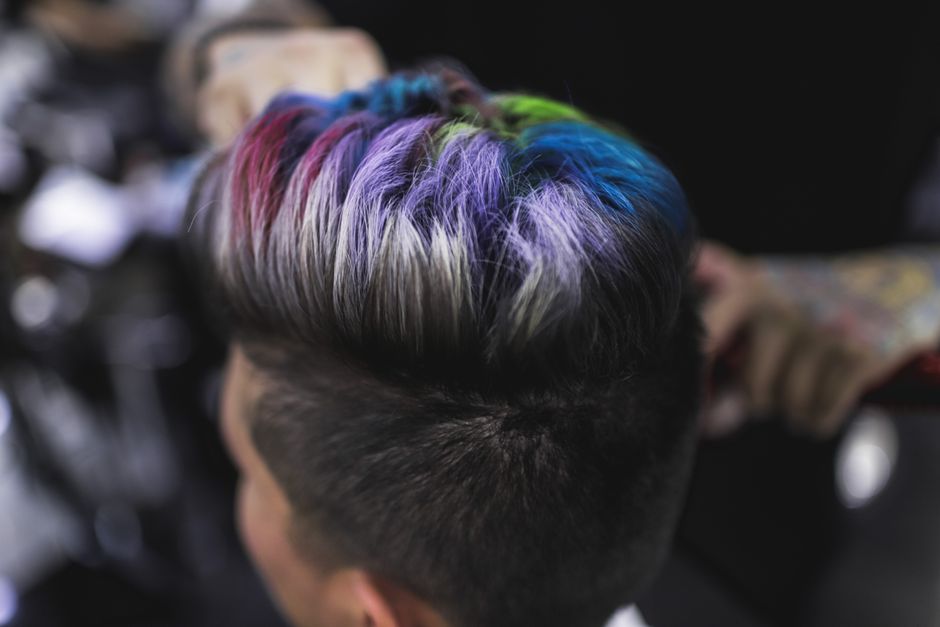
This is the part that actually matters. A beautiful hair color isn't just about the shade itself. It's about how that shade interacts with your skin, eyes, and overall complexion.
Warm Skin Undertones
If your skin has warm, golden, or peachy undertones, you'll look best in warm hair colors. Think golden blonde, honey blonde, warm brown, copper, bronze, and warm auburn. These shades make warm skin look radiant instead of washed out.
Cool Skin Undertones
Cool undertones (pink, red, or bluish cast to your skin) pair beautifully with cool-toned hair colors: ash blonde, platinum, cool brown, black, and cool burgundy. These shades enhance cool skin instead of fighting against it.
Neutral Undertones
Lucky you. Neutral undertones work with both warm and cool hair colors. You have more flexibility, but you'll still want to think about what makes you feel confident.
Pro tip: hold hair color swatches up to your face in natural light. Look at how the color reflects onto your skin. Does it make you look healthier and brighter, or does it wash you out? That's your answer.
Hair Color Maintenance and Care
Your color is only as good as how well you maintain it. Here's what actually extends the life of your hair color.
Use Color-Safe Products
Regular shampoo can strip color from your hair. Invest in a color-safe shampoo and conditioner. It's worth it.
Wash in Cool Water
Hot water opens the hair cuticle and lets color escape. Cool or lukewarm water helps seal the cuticle and keep your color locked in.
Limit Heat Styling
Heat can fade color and damage hair. If you use heat tools, use a heat protectant spray first.
Space Out Washing
The less you wash your hair, the longer your color lasts. Try dry shampoo between washes.
Schedule Regular Touch-Ups
Depending on your color, you'll probably need a touch-up every 4 to 8 weeks. Don't wait until your roots are completely grown out.
If you're making a significant change to your hair color or dealing with hair that's been damaged from previous coloring, Hairnonsurgicalreplacement can help you understand the best approach for your specific hair type and goals. Professional consultation takes the guesswork out of the equation.
The Science Behind Color Fading
Your hair color fades because the color molecules gradually wash out or break down. UV rays from the sun, heat from styling tools, chlorine from pools, and the natural washing process all contribute to fading. This is why your color looks brightest right after you leave the salon and progressively lighter over the following weeks.
According to research on hair structure and color molecules, permanent hair color creates a chemical bond with your hair shaft, but environmental factors and the natural growth of new hair (which isn't colored) create the fading effect you see.
This is why maintenance is so important. Your color isn't failing. Your hair is just doing what hair does naturally.
Color Trends Meet Personal Style
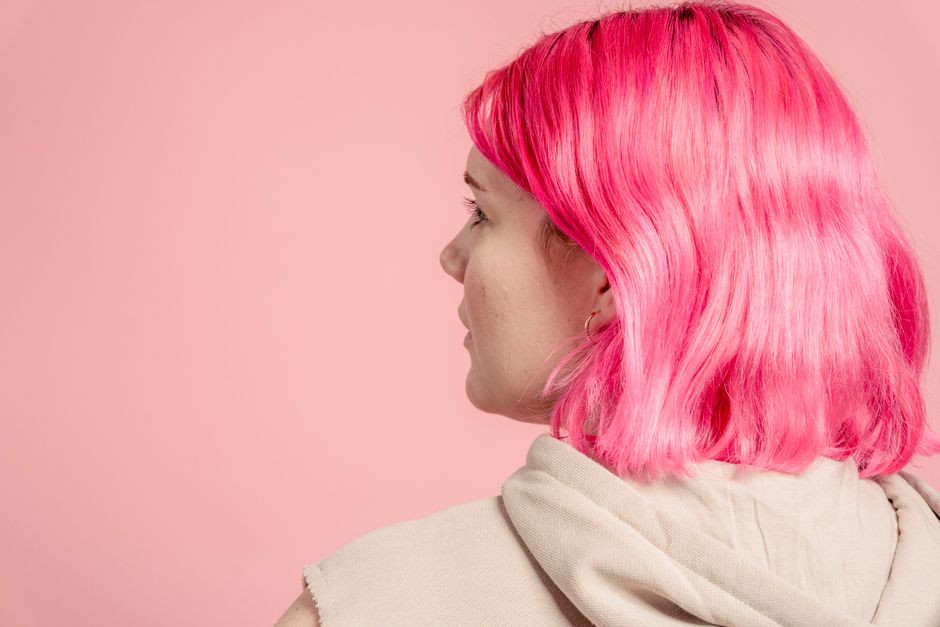
At the end of the day, the best hair color is one that makes you feel like yourself, just maybe a more confident version. Trends come and go, but your personal style is timeless. If mushroom blonde is trending but you feel amazing in rich copper, go copper. If everyone's doing cool tones but warm honey makes you happiest, that's your answer.
The 2026 beauty philosophy is all about self-care and creative expression. Your hair color is part of that. It's a way to explore who you are and how you want to show up in the world. Make it count. And if you're thinking about a dramatic change or need professional guidance on what shade will actually look incredible on you, getting expert input is never a bad call. That's where Hairnonsurgicalreplacement comes in, offering professional expertise to help you achieve the look you're imagining.