

Short hair do's for women are everywhere right now, and for good reason. A fresh short cut can completely transform how you look and feel, plus it's way easier to style and maintain than longer lengths. If you've been thinking about making the chop, this guide will walk you through the best options so you can find your perfect match.
The Classic Bob: Timeless and Endlessly Versatile
Let's start with the foundation of short hair: the bob. This isn't your mom's bob anymore though. Modern bobs come in so many variations that there's genuinely a version for everyone.
The blunt bob is bold and structured, giving you that polished, intentional vibe. If that feels too stiff for you, the textured bob adds movement and softness with choppy layers and piece-y ends. There's also the mussed bob, which looks deliberately undone and effortless—perfect if you want that "I didn't try too hard" aesthetic.
Bobs work on basically every face shape because your stylist can adjust the length and angle to flatter your specific features. The key is finding a skilled stylist who understands how to customize the cut to you. If you're in the northern New Jersey area and want expert guidance on finding your ideal bob, Hairnonsurgicalreplacement specializes in precision cuts tailored to each client's face shape and lifestyle.
The Pixie Cut: Bold, Low-Maintenance, and Seriously Chic
A pixie cut is the ultimate power move if you want short hair that requires minimal daily styling. This super-short cut sits close to your head and typically features longer strands on top that you can style forward or back depending on your mood.
Pixies work beautifully if you have a great face shape to show off, but even then, the cut needs to be executed perfectly. The proportions matter—too short everywhere and it can look harsh, but done right and you'll turn heads. Some people wear their pixie sleek and polished, while others go for a tousled, textured vibe with some product.
The maintenance is genuinely easy though. You're looking at a trim every 4-6 weeks, minimal blow-drying, and you can literally roll out of bed looking intentional.
The Shag: Rock-and-Roll Edge with Layers for Days
The shag has made a huge comeback, and it's nothing like the shags from the 70s. Modern shags are about movement, texture, and that undone-but-cool aesthetic. Think layers throughout with longer pieces around your face that frame your features.
What makes shags so appealing is that they work with curly, wavy, and straight hair. If you have natural texture, a shag will actually enhance it. If your hair is straight, you can style it with a curling iron to add some dimension.
Related: Best Haircuts for Men with Straight Hair in 2026
Shags give you flexibility too. You can wear them sleek one day and tousled the next. They're forgiving in terms of daily styling, which is why so many people love them.
The Wolf Cut: Shag Meets Pixie
Ever heard of a wolf cut? It's basically what happens when a shag and a pixie have a baby. You get the shorter, textured top and sides with longer, layered pieces that flow around your face and potentially down your back.
Wolf cuts are seriously trendy right now because they're edgy without being too extreme. They work on multiple face shapes and hair types, and they photograph really well (which matters if you're into social media). The cut creates instant volume and movement, even if your hair is naturally fine.
The styling is somewhere between a pixie and a shag—not as maintenance-heavy as a pixie, but not as loose as a full shag.
The Bixie Cut: The Hybrid That's Taking Over
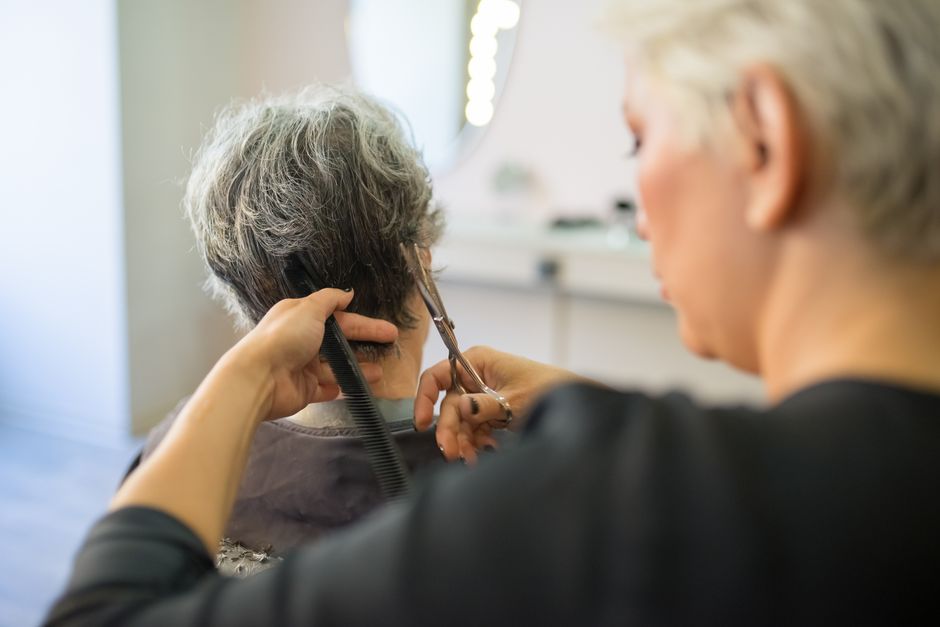
The bixie cut is the latest trend that's got everyone talking. It's literally a cross between a bob and a pixie, with shorter sides and a longer top section. You get the sophisticated vibe of a bob with the edginess of a pixie.
Bixies are perfect if you want something that feels modern and slightly daring but still looks professional. They work on multiple face shapes because your stylist can adjust the length ratio to suit you. Plus, they're way easier to style than you'd think—most days you can just run your fingers through it with some texture spray.
Related: Hair Colors: 2026 Trends, Science & Professional Guide
The French Bob: Effortless and Undeniably Chic
The textured French bob is having a moment. This cut is slightly longer than some of the other options, usually landing right around your jawline or just below. It's characterized by that slightly-undone, I-just-got-back-from-Paris vibe.
French bobs pair beautifully with bangs or a fringe, which adds even more dimension. The cut works best if you have some natural texture or if you're willing to style it with a curling iron or texture spray.
What people love about this style is that it looks expensive and intentional while still feeling relaxed. It's the "effortlessly chic" energy everyone's chasing.
Short Hair Do's: Design Principles That Actually Matter
No matter which cut you choose, there are a few design principles that make short hair actually work on your head.
- Texture is everything. Even subtle layers and choppy ends create movement and prevent your cut from looking flat or wig-like.
- Volume matters. Good short cuts are designed to create the illusion of volume, especially if you have fine hair. This usually means shorter layers on top and strategic tapering on the sides.
- Face shape should guide your cut. Longer cuts work better for round faces, while angular cuts suit square faces. A great stylist will discuss this with you upfront.
- Your hair texture is a feature, not a bug. Curly hair, wavy hair, and straight hair all have different styling possibilities with short cuts. Embrace what you've got.
Styling Your Short Hair Do: Making It Work Every Day
The beautiful thing about short hair is that you have options for how you wear it. You can go sleek one day and textured the next. Here's how to actually make that happen without spending 30 minutes on your hair every morning.
For a sleek look, blow-dry your hair smooth and use a flat iron if needed. A tiny bit of smoothing serum keeps everything polished without looking greasy.
For texture and movement, spray your damp hair with texture spray or sea salt spray, mess it around with your fingers while blow-drying, and you're done. This look is way more forgiving if your hair doesn't cooperate.
The key product for any short hair style is a good lightweight pomade or paste. A nickel-sized amount runs through your hair and creates definition without weighing it down.
Choosing the Right Stylist for Your Short Hair Cut

Here's the real talk: not every stylist is great at short cuts. Long hair hides mistakes. Short hair puts them on display. You want someone who really understands how to cut short hair properly, someone who considers your face shape, hair texture, and lifestyle.
When you're looking for a stylist, ask to see their portfolio of short cuts. Look specifically for cuts similar to what you want. If most of their work is long hair, they might not be your person.
If you're in the Livingston area or northern New Jersey, Hairnonsurgicalreplacement offers precision styling services from trained professionals who understand how to customize cuts to your specific features and needs. They take time to consult with you about what will actually work for your daily routine.
Maintenance and Upkeep: Keeping Your Short Cut Fresh
Short hair requires regular trims, but we're talking every 4-8 weeks depending on your cut and how fast your hair grows. That might sound like a lot, but it's actually way less styling effort than maintaining longer hair.
Between appointments, keep your hair looking intentional with good product and maybe a quick blow-dry. Most short cuts are designed to look good even when they're a bit grown out, so you have some grace period.
Investing in quality hair products makes a huge difference. You don't need tons—usually a good shampoo, conditioner, and one styling product is enough. Since you're not using as much product on shorter hair, you can splurge on better quality without it breaking the bank.
Face Shape Considerations for Short Hair Do's
Different short cuts flatter different face shapes. This isn't a hard rule, but it's something to think about when you're deciding which style to try.
Round faces: Longer pixies, bobs that hit below your jawline, or cuts with longer pieces around your face work best. You want vertical lines to elongate your face.
Square faces: Softer, more textured cuts work beautifully. Shags and layered bobs add movement that balances angular features.
Oval faces: Basically any short cut works, which is lucky for you. Your face shape is super versatile.
Heart-shaped faces: Bobs and pixies work well, especially if there's volume at the jaw. You want to balance a wider forehead.
Before you commit to a cut, spend some time looking at pictures of people with similar face shapes wearing the style you want. This gives you a realistic preview of how it might work on you.
Transitioning to Short Hair: What to Expect
If you've been rocking long hair your whole life, going short is a major shift. Your daily routine will change. Your styling options will multiply. You might feel a little vulnerable at first, which is totally normal.
Here's the thing though: most people who take the plunge and go short absolutely love it. They wonder why they didn't do it sooner. The confidence boost is real.
When you go for your first short cut, be honest with your stylist about your lifestyle. If you hate blow-drying your hair, don't get a cut that requires it. If you have curly hair, a cut that works with your natural texture will make your life infinitely easier.
Give yourself at least two weeks before deciding if you love it. Sometimes a cut takes a little styling to really come into its own, and you might need to adjust your routine slightly. If you're genuinely unsure after two weeks, you can always talk to your stylist about tweaking it.
Getting Professional Advice on Your Next Short Cut
The difference between a good short cut and a great short cut often comes down to professional expertise and taking time for a proper consultation. When you book your appointment, mention that you're considering a significant change. A good stylist will ask questions about your hair type, your daily routine, your styling comfort level, and what look you're actually going for.
If you're ready to explore short hair options and want to work with professionals who specialize in custom cuts and styling, Hairnonsurgicalreplacement is worth visiting. They take a personalized approach to understanding your needs and creating a cut that actually works with how you live.
Common Questions About Short Hair Do's
How often do I need to trim short hair?
Most short cuts need a trim every 4-8 weeks to maintain their shape and look intentional. This varies based on how fast your hair grows and how precise you want the cut to be. Pixies and bobs typically need trims more frequently than shags or wolf cuts, which are more forgiving as they grow out.
Can I style short hair differently, or does it have to look the same every day?
You absolutely have styling flexibility. Most short cuts can go from sleek and polished to textured and tousled. Using different products, blow-drying techniques, or even just how you run your fingers through your hair creates different vibes. This versatility is actually one of the best parts of short hair.
What if I have curly or wavy hair?
Short cuts actually work beautifully with natural texture. Layers in your cut will enhance your curls or waves rather than fight them. Talk to your stylist about cuts designed for textured hair. You'll likely need less styling time, and your cut will look fresher throughout the day.
Is short hair actually lower maintenance than long hair?
In terms of daily styling, yes. You're spending less time blow-drying and styling. However, you do need regular trims to keep the shape looking intentional. So it's different maintenance, not necessarily less. Most people find the tradeoff totally worth it.