

If you've got straight hair, you already know the struggle: finding a cut that actually works *with* your hair type instead of fighting it. The good news? Straight hair is incredibly versatile when you get the right style. Modern barbering has moved away from forcing texture into hair and toward celebrating what you naturally have. That means clean lines, sharp fades, and smart layering that give you a polished look without the daily styling battle.
The challenge most men face is that not every barber understands how to cut straight hair properly. You need someone who knows how to use length, fade placement, and texture techniques to add visual interest to naturally straight strands. When you find the right barbershop that specializes in precision cuts, the difference is immediate. Your hair sits better, requires less product, and actually looks intentional rather than like you just rolled out of bed.
Best Haircuts for Men with Straight Hair
Let's talk about the cuts that are actually working for guys with straight hair right now. These aren't random styles—they're designed to work with your natural texture, not against it.
Related: Short Hair Do's for Women: 7 Chic Cuts to Try in 2026
Related: Best Hairstyles for Men in 2026 | Trending Cuts & Styles
The Burst Fade
This is the modern barbershop standard for straight-haired guys. A burst fade curves around the back and sides of your head with a burst effect near the ear. On top, you're keeping length (usually 2 to 4 inches), which gives you styling flexibility. The fade itself provides clean contrast, making even straight hair look sharp and intentional. The best part: it's low-maintenance once it's cut right.
Crew Cut
Timeless for a reason. A crew cut works beautifully with straight hair because the short, even length showcases your hair's natural shine without requiring texture or movement. You're looking at about 0.5 to 1 inch on top, tapered down the sides. Straight hair actually looks cleaner in this cut than textured hair does, which is why it remains a go-to for professionals and athletes alike.
Related: Hair Colors: 2026 Trends, Science & Professional Guide
Low Taper with Textured Fringe
This is the sweet spot between "I don't want to style much" and "I want to look intentional." You're keeping around 2 to 3 inches on top with a slight texture or fringe at the front, then tapering down the sides and back. The texture breaks up the straight lines of your hair naturally, and the fringe gives you a modern edge. You can style it back or let it fall slightly forward depending on your mood.
The Modern Mullet
Yes, the mullet is back, and it actually looks good on straight hair. The difference between the 1980s version and today's version: it's proportional and subtle. You're keeping moderate length on top (3 to 4 inches), tapering the sides, and gradually increasing length toward the back. It's fashion-forward without being extreme, and straight hair gives it a clean, deliberate look that textured hair sometimes can't achieve.
Curtain Bangs with Fade
If you want something with more personality, curtain bangs work on straight hair when paired with a solid fade. The bangs fall naturally from a center part, frame your face, and create movement without requiring significant styling effort. A low to mid fade on the sides keeps it balanced and professional.
Why Straight Hair Needs Specialized Cutting
Here's what separates a mediocre cut from a great one: understanding that straight hair has different needs than textured or wavy hair. Straight hair doesn't have built-in texture to break up lines, which means a barber needs to use fade placement, length variation, and strategic layering to create visual interest.
When a barber rushes through your cut or doesn't account for your hair type, you end up with something that looks flat or boring. That's not your fault. It's about having someone who knows how to work with straight hair's strengths: its clean lines, natural shine, and ability to hold sharp edges.
Professional stylists trained in precision cutting spend time understanding how your hair sits naturally. They account for your hair's growth patterns, density, and how it falls when wet versus dry. This attention to detail makes the difference between a cut you tolerate and one you actually feel confident wearing.
Low-Maintenance Styling for Straight Hair
One of the biggest advantages of straight hair? It can look sharp with minimal daily effort. You're not fighting texture or frizz. The trade-off is that you need a cut designed for minimal maintenance from the start.
The crew cut and burst fade require basically nothing beyond a quick rinse and air dry. If you go with something like textured fringe or curtain bangs, you might need to spend 30 seconds with a blow dryer and a light touch of product, but that's it. No complicated routines. No specialty products required.
The key is matching the cut to your lifestyle. If you're not going to style your hair daily, don't choose a cut that demands it. Work with your barber to find something that looks intentional on you with minimal effort. That's how you actually stick with a style long-term instead of letting it grow out into an awkward in-between phase.
Getting the Cut Right: What to Expect
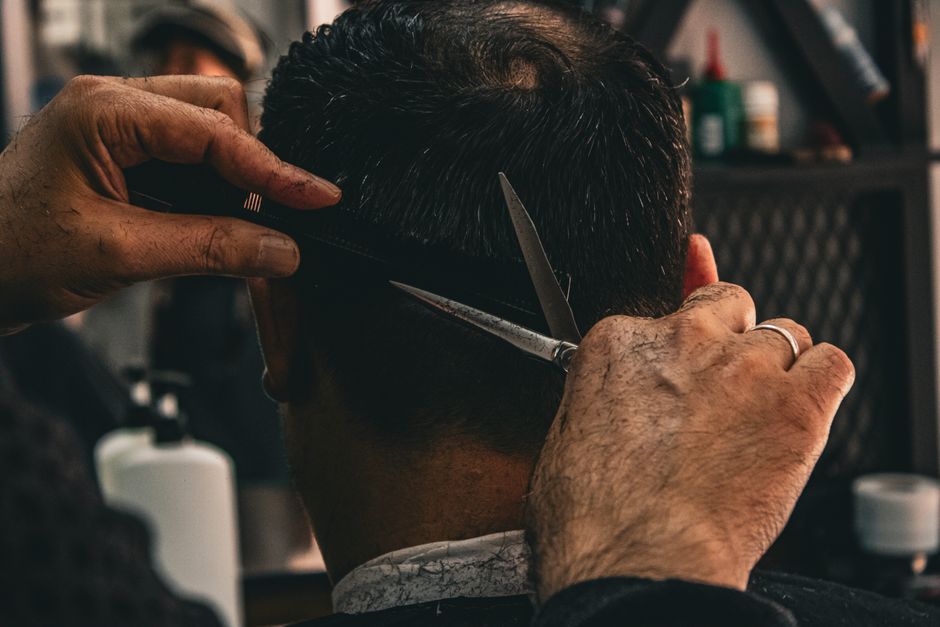
When you book your appointment, come with reference photos. Even if the barber is experienced with straight hair, seeing exactly what you have in mind prevents miscommunication. Bring 3 to 4 photos of cuts you like. Talk about your daily routine and how much time you're willing to spend styling. Be honest about whether you want something fashion-forward or classic.
A good barber will ask questions about your hair's density, any cowlicks or growth patterns, and your face shape. These details matter. A burst fade that looks amazing on a round face might not be the ideal choice for a square jaw. The best practitioners at Hairnonsurgicalreplacement customize every cut to your specific features and preferences, not just copy a generic Instagram photo.
After your cut, ask the barber to show you how they styled it and what product they used (if any). Most straight-hair cuts look better when you understand the intended styling technique. You don't need expensive products, but knowing whether you should blow dry or air dry, and in what direction, makes a real difference.
Trends in Straight Hair Styling for 2026
The trend right now emphasizes working *with* your natural hair type instead of forcing it into something it's not. That's good news for straight-haired guys. Instead of trying to create texture where there isn't any, modern cuts focus on clean lines, strategic length variation, and fade placement to create visual interest.
You're seeing more textured fringes, more creative fade patterns, and more cuts that blend casual and polished. Essentially, the barbering industry has finally caught up to the idea that straight hair deserves cuts designed specifically for it, not cuts repurposed from guys with textured or wavy hair.
According to research on hair structure and styling, hair type significantly affects how a cut sits and grows. Barbers who understand this science produce better results. That's why finding someone experienced with straight hair specifically, rather than a generalist barber, matters more than you might think.
Finding Your Perfect Straight Hair Cut
The bottom line: your straight hair is an asset, not a limitation. You just need a barber who knows how to cut it properly. Look for someone who has experience with straight hair, asks good questions about your lifestyle and preferences, and can explain why they're recommending a particular style.
When you're ready to find that barber and get a cut that actually complements your hair type, that's where professional expertise comes in. The difference between an okay cut and a great one is understanding how to work with what you naturally have. That's what separates a great barber from everyone else in the chair.
FAQ: Haircuts for Men with Straight Hair

Do I need product to style straight hair?
Not necessarily. If your cut is designed properly for straight hair, it should look sharp with just a quick rinse and air dry. Some styles (like textured fringes or longer cuts) benefit from a light styling product like pomade or clay, but quality product is optional for most straight-hair cuts. Ask your barber what they recommend for your specific style.
How often should I get a straight hair cut trimmed?
For most men, every 4 to 6 weeks is ideal to maintain the shape and fade. If you're wearing a longer style like curtain bangs or a modern mullet, you might stretch it to 6 to 8 weeks. Regular maintenance keeps your cut looking intentional instead of letting it grow into an awkward phase.
Can I get a stylish cut if I don't want to blow dry?
Absolutely. Crew cuts, burst fades, and low tapers all look sharp air-dried. The key is choosing a cut designed for that, and making sure your barber knows you want something low-maintenance. They can tailor the cut and styling technique so it looks intentional without any heat styling.
Is straight hair better or worse than textured hair for cutting?
Different, not worse. Straight hair shows clean lines beautifully and requires less daily styling, but it needs a barber who understands how to add visual interest through fade placement and length variation. Textured hair has built-in movement but requires more maintenance. The best cut is the one designed specifically for your hair type and lifestyle.