
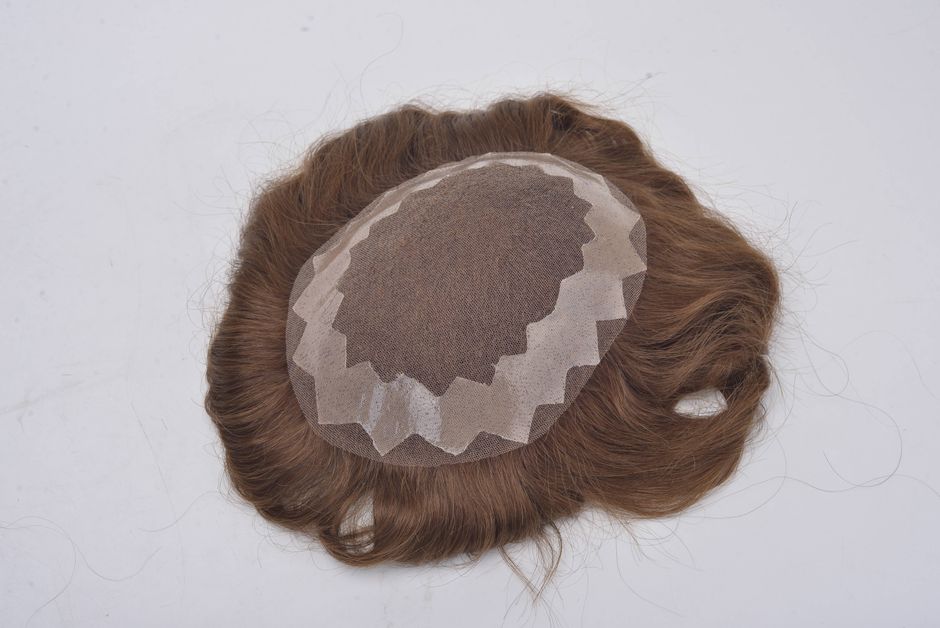
If you're dealing with hair loss or thinning and want to fix it without surgery, you've got real options. The best non-surgical hair replacement methods in New Jersey range from topical treatments and oral medications to newer tech like scalp micropigmentation and low-level laser therapy. Your choice depends on your hair loss type, your goals, and what fits your lifestyle.
Let's walk through the main options so you can figure out which one might work for you.
PRP Therapy: Platelet Power for Hair Growth
PRP therapy uses your own blood to trigger hair growth. Here's how it works: your blood gets drawn, spun down to concentrate the platelets (the cells that help healing), and then injected into your scalp where you need it most.
The platelets release growth factors that wake up dormant hair follicles and boost circulation to your scalp. It's minimally invasive and doesn't require downtime, so you can get back to your day right after the appointment.
PRP works best when you're in the early to moderate stages of hair loss. If you've been losing hair for years, you might need to combine it with other treatments to see the results you want. Multiple sessions spaced weeks apart usually give you the strongest outcomes.
Topical and Oral Hair Loss Treatments
Minoxidil (the topical version you apply to your scalp) and finasteride (an oral medication) are both well-established options that slow hair loss and can regrow some hair in certain cases.
Minoxidil works by increasing blood flow to hair follicles. You apply it directly to the thinning areas once or twice daily. Results take several months to show, and you have to keep using it to maintain the benefit.
Finasteride targets the hormone that causes pattern baldness. It's taken as a pill daily. Like minoxidil, you need to stay consistent, and it works better on the crown than on the hairline.
Both are non-invasive and relatively affordable compared to other options. The trade-off is that results are gradual, and some people don't respond as well as others. They also only work as long as you keep taking them.
Scalp Micropigmentation: Instant Density
Scalp micropigmentation (SMP) is a cosmetic tattooing technique that creates the illusion of hair density. A trained technician deposits tiny pigment dots into the scalp to mimic the look of hair follicles or a freshly shaved head.
It's non-invasive, takes just a few sessions, and the results are immediate. You walk out looking fuller right away. SMP works for all hair types and skin tones when done by someone who knows what they're doing.
The catch? It's cosmetic. It doesn't regrow actual hair, but it makes thinning areas look thicker. It also requires touch-ups every few years as the pigment gradually fades. If you're looking for a confidence boost without surgery or daily medication, SMP is a solid choice.
Low-Level Laser Light Therapy (LLLT)

LLLT uses red or near-infrared light to stimulate hair follicles at the cellular level. You wear a cap or helmet equipped with LEDs and use it for a set time several times a week. The light energy encourages follicles to enter the growth phase.
It's painless, has no side effects, and you can do it at home or in a clinic. Results typically show up after a few months of consistent use.
LLLT pairs well with other treatments like minoxidil or PRP because they work through different mechanisms. Combining approaches often gives better results than relying on one method alone.
Microneedling for Hair Restoration
Microneedling involves rolling or stamping tiny needles over your scalp to create controlled micro-injuries. This triggers your body's natural healing response, which boosts collagen production and blood flow to hair follicles.
It's minimally invasive and works especially well when combined with topical treatments or PRP. The needles help those solutions penetrate deeper into the scalp.
Sessions are quick (15-30 minutes), though you might see minor redness for a day or two afterward. Most people need a series of treatments spaced 4-6 weeks apart to see real improvement.
TransEpidermal Delivery (TED): Newer Technology
TED is a newer approach that uses technology to push active ingredients through the outer layer of your scalp without needles. It's gentler than microneedling but more effective than topical creams alone because it gets treatments where they need to go.
This is still emerging technology in many areas, so availability varies. If you're interested in trying the latest non-surgical methods, ask about what's available near you.
Choosing the Right Option for You

The best non-surgical hair replacement option for you depends on a few things:
Related: Hair Replacement for Hair Loss: Non-Surgical Options Explained
Related: Custom Hair Replacement Near Roseland, NJ | Non-Surgical Options
Related: Non-Surgical Hair Replacement for Women vs. Men in 2026
Related: How Non-Surgical Hair Replacement Works: Complete Process
Related: Non-Surgical Hair Replacement Cost: What You'll Actually Pay in 2026
Related: Hair Replacement for Men in Livingston, NJ | Non-Surgical Options
- How far along is your hair loss? Early stages respond better to PRP, LLLT, or medications. More advanced loss might benefit from SMP for immediate results combined with growth-focused treatments.
- What's your timeline? Want results now? SMP is instant. Can you wait and be patient? Growth-based treatments take months but can regrow real hair.
- What fits your routine? Some treatments need daily application (minoxidil), regular sessions (LLLT, microneedling), or occasional touch-ups (SMP and PRP).
- What's your budget? Talk to a professional about what you can invest. Different methods vary in cost and how many sessions you need.
Many people get the best results by combining approaches. For example, PRP plus minoxidil plus LLLT hits hair loss from multiple angles. A trained professional can help you design a plan that makes sense for your specific situation.
If you're in the Livingston area or nearby Essex County towns like Fairfield, Madison, Roseland, Short Hills, or West Orange, Non-Surgical Hair Replacement specializes in evaluating your hair loss and recommending the best path forward. A consultation can help you understand which methods match your goals and what results to realistically expect.
Next Steps: Getting Professional Guidance
The hardest part of choosing a non-surgical hair replacement option is getting accurate information about your specific hair loss. Hair loss isn't one-size-fits-all, and what works great for one person might be less effective for another.
Related: Non-Surgical Hair Replacement for Alopecia: What Works
A professional evaluation can identify your hair loss type, stage, and what's driving it. From there, you'll know which treatments make sense to start with and whether combining methods will help you reach your goals faster.
Schedule a consultation to discuss your hair concerns and explore your options. A trained specialist can walk you through each method, explain what to expect, and help you decide on a plan that fits your timeline and budget. Non-Surgical Hair Replacement is here to help you navigate these choices and get started on a treatment plan that works for you.
How long does it take to see results from non-surgical hair replacement?
It depends on the treatment. Scalp micropigmentation gives instant results. PRP, LLLT, and medications typically take 3-6 months to show noticeable improvement. Some people see changes sooner, others need more time. Consistency and patience are key.
Can I combine different non-surgical hair replacement methods?
Yes, absolutely. In fact, combining treatments often works better than using just one. For example, PRP plus minoxidil plus LLLT approach hair loss from different angles and can give you stronger results than any single method alone. A professional can help you design a combination plan.
Are non-surgical hair replacement treatments permanent?
Some are, some aren't. Scalp micropigmentation is semi-permanent (it fades over a few years and needs touch-ups). Growth-focused treatments like PRP and medications need to be maintained to keep working. Stop using them, and hair loss may resume. The permanence depends on which method you choose and your individual response.
Who is a good candidate for non-surgical hair replacement?
Most people dealing with hair loss or thinning can benefit from at least one non-surgical option. Early-stage loss responds best to growth-focused treatments. More advanced loss might call for SMP or a combination approach. A consultation with a specialist can determine what's right for your hair and your goals.