

A receding hairline can feel like it happened overnight, but there are real options to address it. Whether you're noticing your hairline creeping back or you've been dealing with thinning for a while, you have choices beyond accepting it as inevitable. The key is understanding what's available to you and finding the approach that fits your goals and lifestyle.
What Causes a Receding Hairline?
Before you tackle the solution, it helps to know why your hairline is receding in the first place. Hair loss at the hairline usually comes down to a few factors working together.
Genetics play the biggest role. If your parents or grandparents experienced hair loss, your hair follicles are likely more sensitive to natural hormones that cause thinning. This is the most common reason people see their hairline move backward over time.
Aging also matters. As you get older, your hair naturally goes through more cycles where it sheds and regrows thinner. Stress, poor diet, and lack of sleep can speed this up, though they're not usually the root cause on their own.
Tight hairstyles, harsh treatments, and rough handling can damage hair and make thinning more noticeable. Scalp health matters too. A dry, inflamed, or poorly maintained scalp makes it harder for healthy hair to grow.
Non-Surgical Hair Restoration Options
If you want to restore your hairline without going under the knife, non-surgical solutions exist and they work for a lot of people. These treatments focus on filling in thinning areas, strengthening existing hair, and creating a fuller appearance.
Related: Non-Surgical Hair Solutions for Men Over 50: Your Complete Guide
Related: How to Choose a Hair Replacement System: A Complete Guide
Related: Professional Hair Styling with Replacement: A Complete Guide
Related: Hair Restoration Services for Thinning Spots: Your Guide
Non-surgical hair replacement systems are custom-designed pieces that blend seamlessly with your natural hair. They're attached to your scalp and look completely natural. You can style them, wash them, and live your life normally. The big advantage is that results are immediate. You walk out looking fuller on day one. Non-Surgical Hair Replacement specializes in fitting and customizing these systems for a natural look that matches your hairline and hair texture.
Related: Hair Replacement for Women in Livingston, NJ: Your Complete Guide
Related: Women's Hair Toppers in Livingston NJ: Complete Guide
Related: Hair Replacement Systems for Men Over 40: A Complete Guide
Topical treatments and medications designed to strengthen follicles and stimulate regrowth are another route. These take longer to show results (usually several months), but they work with your body's natural processes. The upside is they're non-invasive and can be used alongside other approaches.
Low-level light therapy and scalp stimulation treatments are also used to encourage hair growth and improve scalp health. These are gentle, painless sessions that you repeat over time.
How Medical Treatments Support Hair Restoration
Medications approved for hair loss can help preserve the hair you have and, in some cases, promote new growth. They work by either blocking hormones that cause shedding or nourishing follicles to stay in their active growth phase longer.
These treatments work best when you start them early, and they're most effective at slowing loss rather than completely reversing it. Results vary from person to person. Some people see significant regrowth, while others mainly notice they're not losing hair as fast anymore.
The benefit of combining medical treatments with non-surgical solutions is that you're attacking the problem from two angles. Medication helps preserve and strengthen your existing hair, while a non-surgical system or topical treatment fills in gaps and restores fullness to your hairline.
Surgical Hair Restoration: When It's an Option

Hair transplants are a permanent option if you're open to a surgical procedure. A surgeon takes healthy hair follicles from areas where your hair grows thick (usually the back or sides of your scalp) and relocates them to your receding hairline.
The results look natural because they use your own hair. Once transplanted, those follicles behave like they did in their original location, which means they should grow for life. The trade-off is that surgery requires downtime, costs more upfront, and results take months to fully appear as the transplanted hair grows in.
Surgical hair restoration isn't for everyone, though. Some people don't have enough donor hair, others prefer to avoid surgery, and some want faster results than transplants can deliver. That's where non-surgical approaches shine.
Daily Habits That Support Hair Health
Whatever path you choose for hair restoration, what you do daily matters. Your hairline can't recover if you're not taking care of your scalp and hair.
Wash your hair regularly but gently. Hot water and harsh shampoos strip your scalp of natural oils, so use lukewarm water and a mild cleanser. Avoid tight hairstyles that pull on your hairline. Ponytails, braids, and tight buns put constant stress on follicles at your hairline and can make thinning worse.
Eat well. Your hair is made of protein, so make sure you're getting enough. Include iron, zinc, and B vitamins in your diet too. These nutrients support healthy hair growth from the inside out.
Manage stress where you can. Stress doesn't directly cause hair loss, but it can trigger shedding if you're already genetically prone to thinning. Exercise, sleep, and relaxation help.
Be patient with your scalp. Consistent care over weeks and months makes a difference. If you're using any hair-loss treatments, stick with them long enough to see results before deciding they're not working.
Getting Professional Help for Your Receding Hairline
The best first step is a consultation with someone who understands hair restoration inside and out. A professional can assess your hairline, talk through your goals, and recommend the options most likely to work for you.
If you're in the Livingston or Essex County area and you're ready to explore solutions for your receding hairline, Non-Surgical Hair Replacement offers personalized consultations and a full range of non-surgical restoration services. You'll meet with trained professionals who specialize in creating natural-looking hairlines and matching systems to your unique hair and skin tone.
The consultation is a chance to ask questions, see before-and-after examples, and understand exactly what to expect. You'll leave with a clear picture of what's possible for you.
People Also Ask
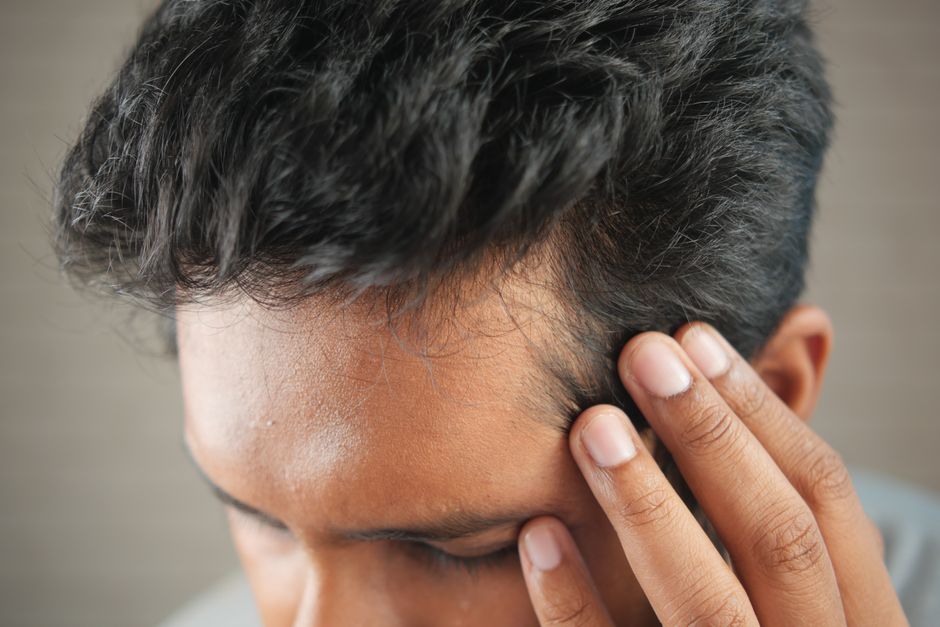
Can you regrow hair on a receding hairline naturally?
Some hair regrowth is possible with proper care, medical treatments, and lifestyle changes, but results vary widely. If your hairline is receding due to genetics, natural methods alone usually aren't enough to fully restore it. A combination of treatments and professional hair restoration often delivers better results than any single approach.
How long does hair restoration take to work?
It depends on the method. Non-surgical hair replacement systems give immediate results because they're custom-fitted to your head. Medical treatments take several months to show any change, and hair transplants can take six months to a year to fully grow in. Most people use multiple approaches to get faster, fuller results.
Is non-surgical hair replacement permanent?
Non-surgical systems last several months to a year with proper care, and then you'll need maintenance or replacement. They're not permanent like surgical transplants, but they're also non-invasive and reversible. Many people prefer this flexibility because they can change their look or take a break whenever they want.
What's the best treatment for a receding hairline?
The best treatment is different for everyone. It depends on how much your hairline has receded, how much hair loss you're willing to accept, your budget, and whether you want immediate results or are okay waiting months. A consultation with a hair restoration expert helps you figure out which option (or combination) is right for you.