

If you're dealing with hair loss or thinning, non-surgical hair replacement isn't your only path forward. The truth is, there are several solid alternatives out there, and the right choice depends on how much hair you've lost, your budget, your lifestyle, and how natural you want the results to look.
Let's walk through your options so you can figure out what actually makes sense for you.
Understanding Non-Surgical Hair Replacement Alternatives
Non-surgical hair replacement typically means wearing a custom hairpiece or wig that's attached to your scalp. It works really well for a lot of people, especially if you want immediate, dramatic results. But if you're looking at alternatives, you're probably wondering if there's something less visible, less maintenance-heavy, or more permanent.
The good news: there are multiple paths you can explore. Some work by stimulating your own hair growth. Others disguise hair loss without requiring daily wear. A few combine different techniques to get better results.
When you're ready to explore what might work best for your specific situation, Non-Surgical Hair Replacement can walk you through each option during a consultation.
Related: Non-Surgical Hair Replacement for Women vs. Men in 2026
Related: Non-Surgical Hair Replacement vs. Hair Transplants: Which Is Right for You?
Related: How Non-Surgical Hair Replacement Works: Complete Process
Related: Non-Surgical Hair Solutions in Essex County: Your Complete Guide
Related: Non-Surgical Hair Solutions for Men Over 50: Your Complete Guide
Scalp Micropigmentation (SMP) as an Alternative
Scalp Micropigmentation is basically a tattoo for your scalp. A trained technician uses specialized needles to deposit pigment into your scalp, creating the appearance of tiny hair follicles.
It works for people with:
- Significant hair loss or baldness who want the look of a shaved head
- Thinning hair that needs density added
- Receding hairlines they want to "reframe"
- Scars from surgery or injury they want to cover
The big appeal is that SMP looks really natural and requires almost no maintenance. You just wash your scalp like normal. It doesn't fade quickly, but it does fade gradually over several years, so you might need touch-ups down the road.
SMP isn't for everyone, though. Some people aren't comfortable with the permanent nature of it, and it can be pricey upfront. Also, if you ever want to grow your hair back, SMP won't work under longer hair the way a hairpiece can.
PRP (Platelet-Rich Plasma) Therapy
PRP is a medical treatment that uses your own blood to stimulate hair growth. A technician draws your blood, spins it down to isolate the platelet-rich plasma, then injects it into your scalp.
The idea is that the growth factors in your plasma wake up dormant hair follicles and encourage thicker, healthier growth.
PRP appeals to people who:
- Still have some hair but it's thinning
- Want to avoid wearing anything on their head
- Are open to a medical approach
- Are in the early to moderate stages of hair loss
The catch: results vary a lot from person to person. Some people see real improvement, others see minimal change. It usually takes multiple sessions (often 3-6 treatments) spaced weeks apart. And it's not a one-time fix, so maintenance appointments are often needed.
Low Level Laser Light Therapy

This treatment uses red or near-infrared light to energize the cells in your hair follicles, supposedly boosting blood flow and promoting growth.
You either visit a clinic for sessions under a laser hood, or you can use a laser cap at home. Some devices combine this with other technologies.
It's non-invasive and painless, which is nice. But like PRP, the results are inconsistent, and you need to stick with it long-term to see anything. If you stop, any benefit usually fades.
Microneedling and TransEpidermal Delivery (TED)
Microneedling creates tiny controlled punctures in your scalp to trigger the body's natural healing response, which can boost hair growth. When paired with TED (a way to deliver treatment solutions deeper into your skin), it can be more effective than either method alone.
These treatments are less well-known than PRP or laser therapy, but they're gaining traction because they target hair loss from a different angle.
Like other growth-stimulation methods, results depend on your individual biology, and multiple sessions are usually needed.
Traditional Hairpieces and Wigs
Before modern non-surgical hair replacement systems, people wore wigs or toupees. Those options still exist and have actually improved a lot.
Related: Hair Replacement for Hair Loss: Non-Surgical Options Explained
Related: Custom Hair Replacement Near Roseland, NJ | Non-Surgical Options
A quality hairpiece can look very natural, especially if it's custom-fitted to your head and hair color. The advantage over medical treatments is that you see results immediately, and you have full control over when you wear it.
The downside: daily wear means daily maintenance. You have to clean it, store it properly, and replace it every few years as the hair sheds or degrades. It also requires you to wear something visible on your head every day, which some people find uncomfortable.
Hairpieces work especially well for young people with minimal to moderate hair loss who want a classic, proven non-surgical approach.
Finasteride (Oral Medication)
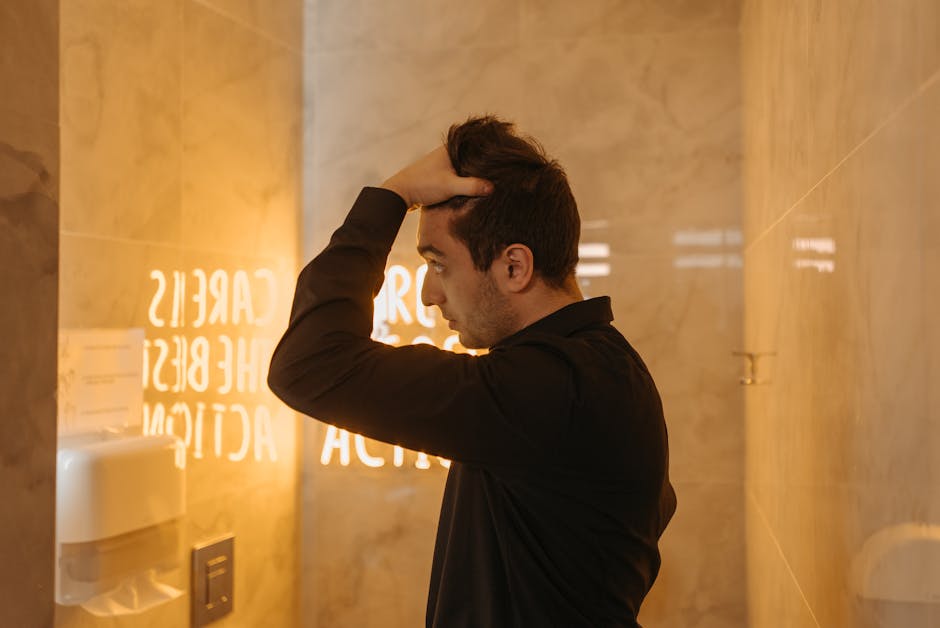
Finasteride is an oral medication that slows down male pattern baldness by blocking the hormone that shrinks hair follicles. It's been around for decades and is widely available.
If you take it consistently, it can slow hair loss and sometimes regrow some of what you've lost. But it only works for certain types of hair loss, and you have to keep taking it or the benefit disappears.
It also comes with potential side effects that some people experience, so it's not risk-free.
How to Choose Between These Alternatives
Here's the real talk: the best alternative for you depends on four things.
1. How much hair have you actually lost? If you're in early-stage thinning, a growth-focused treatment like PRP or laser might work. If you're significantly bald, SMP or a hairpiece makes more sense because growth treatments need something to work with.
2. What's your timeline? Need results tomorrow? Hairpieces and SMP deliver immediately. Growth treatments take weeks or months.
3. How much maintenance are you willing to do? Hairpieces need daily care. SMP is nearly hands-off. Medical treatments mean ongoing appointments.
4. What's your comfort level with permanence? SMP is permanent (or at least semi-permanent). Everything else is reversible or stoppable.
The reality is that many people end up combining approaches. You might try PRP first, add a hairpiece for coverage while you wait for growth, then consider SMP later if that works out.
Every person's hair loss story is different, so the alternative that works for your friend might not work for you. That's why it helps to talk to someone who understands all the options. When you're ready to explore what makes sense for your specific situation, Non-Surgical Hair Replacement can help you understand the pros and cons of each path.
Next Steps: Getting a Personalized Assessment
You don't have to figure this out alone. The best first move is to have a real conversation with someone who works with hair loss every day.
During a consultation, a trained professional can look at your specific situation, explain which alternatives are realistic for you, and help you understand what each one would actually cost in time, money, and maintenance.
If you're in the Livingston, NJ area or surrounding Essex County towns like Fairfield, Madison, Roseland, Short Hills, or West Orange, you can book a consultation to explore your options in person. Located, Livingston, NJ, Non-Surgical Hair Replacement combines expertise in non-surgical hair solutions with a full-service salon and spa approach, so you can discuss not just hair alternatives but your overall beauty and confidence goals.
Related: Affordable Hair Replacement Solutions NJ | Livingston Salon
What's the difference between a hairpiece and a non-surgical hair replacement system?
A traditional hairpiece or wig is typically something you put on and take off daily, like a hat. A non-surgical hair replacement system is custom-fitted and often semi-permanently attached or worn longer-term. Both are non-surgical alternatives, but modern systems tend to look more natural and blend better with your existing hair because they're designed specifically for your scalp and hair type.
Can I combine hair loss alternatives for better results?
Absolutely. Many people start with one approach and add another. For example, you might use PRP to stimulate growth while wearing a hairpiece for coverage during the waiting period. Or you might try laser therapy alongside a hairpiece to get the best of both worlds. Just make sure any combination you're considering is safe (talk to a professional before mixing treatments).
How long do results last with these alternatives?
It depends on the method. Hairpieces typically last several years before needing replacement. SMP fades gradually over 5-10 years and might need touch-ups. Growth-focused treatments like PRP and laser require ongoing maintenance to sustain results. Finasteride only works while you're taking it. The more permanent you want results, the fewer options you have, so think about what you're really willing to commit to.
Are these alternatives expensive?
Cost varies widely depending on the alternative. Hairpieces range from affordable to luxury. SMP, PRP, and laser treatments usually require multiple sessions, so they add up over time. Finasteride is relatively inexpensive if you have insurance coverage. The best way to understand the actual investment for your situation is to get a personalized quote during a consultation, where someone can assess your hair loss and explain realistic costs for the options that make sense for you.