
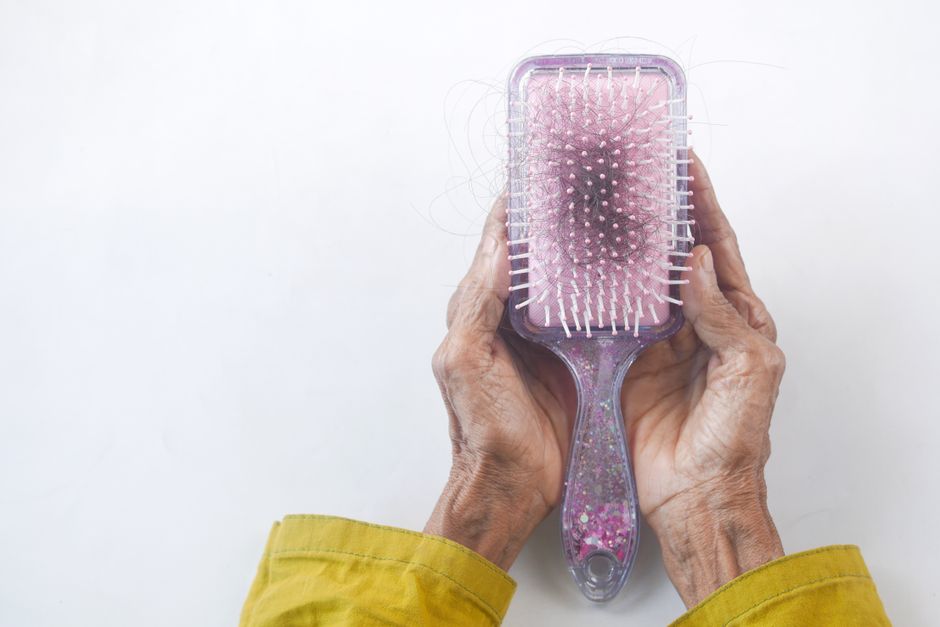
Hair loss can feel isolating, but you're not alone, and you have real options. Hair replacement for hair loss refers to non-surgical solutions like hairpieces, hair systems, wigs, and toppers that restore fullness and coverage without going under the knife. These methods work by adding or replacing missing hair directly on your scalp, giving you back the look you want while keeping your natural hair intact.
If you're tired of waiting for pills to work or worried about surgery, non-surgical hair replacement is a fast, effective path forward. Let's break down how it works, what to expect, and how to find the right solution for you.
What Exactly Is Non-Surgical Hair Replacement?
Non-surgical hair replacement isn't a one-size-fits-all thing. It's a category of solutions designed to cover thinning areas, fill in receding hairlines, or add volume where you've lost it.
The main types include:
- Hair systems - Custom-fitted bases that bond or attach to your scalp. They're personalized to match your hair color, texture, and style.
- Hairpieces and toupees - Crafted units that sit on top of your hair or scalp. They range from full-head coverage to smaller pieces for specific areas.
- Hair toppers - Partial pieces that cover thinning spots at the crown, front, or part line. They blend with your existing hair for a natural look.
- Wigs - Full-head coverings available in synthetic or human hair options.
All of these work differently depending on your hair loss pattern, lifestyle, and personal preference. The key difference from surgery is that there's no downtime, no medical procedures, and no permanent changes to your scalp.
Why Choose Non-Surgical Hair Replacement Over Other Options?
Hair loss solutions fall into three main buckets: medications, surgery, and non-surgical replacement. Each has pros and cons.
Related: Hair Replacement Attachment Options Explained
Related: Best Non-Surgical Hair Replacement Options in New Jersey 2026
Medications (topical or oral) can help slow hair loss or regrow some hair, but they require ongoing use and don't work for everyone. Results take months to show, and you have to stay on them to keep what you gain.
Surgical hair transplants move hair follicles from one part of your scalp to another. They're permanent, but they involve recovery time, potential scarring, and upfront costs. Surgery also requires your own hair to be available for transplanting, which doesn't work if you have advanced hair loss.
Non-surgical replacement is different. You get immediate results. You see the difference the moment your hairpiece is fitted. There's no surgery, no recovery, and no waiting months to see if it works. Non-Surgical Hair Replacement specializes in these solutions, helping clients in Livingston and nearby Essex County towns restore their hair and confidence right away.
How Non-Surgical Hair Replacement Actually Works
The process depends on which type you choose, but here's the general flow:
Step 1: Consultation and Assessment
You meet with a specialist who evaluates your hair loss pattern, scalp condition, hair texture, and color. They ask about your lifestyle, how much maintenance you're willing to do, and what look you're going for. This information shapes which option makes sense for you.
Step 2: Customization and Fitting
Your hairpiece or system is custom-made or fitted to your exact specifications. If it's a hair system, it's bonded to your scalp using adhesive or clips. If it's a topper or partial piece, it's styled and attached to blend with your natural hair. The goal is always a natural, undetectable look.
Step 3: Styling and Blending
Once attached, the hair is cut, colored, and styled to match your natural hair or achieve your desired look. A trained stylist makes sure everything flows together seamlessly.
Step 4: Maintenance and Care
You'll learn how to care for your replacement hair, including washing, conditioning, and storage. Some pieces require more upkeep than others. Your specialist will walk you through everything so you can keep your hair looking great.
Different Types of Hair Loss and the Right Replacement Solution
Hair loss shows up differently for everyone, and the right replacement depends on your pattern.
Receding Hairline
If you're losing hair at the front, a smaller hairpiece or a system designed to cover the hairline works well. These pieces attach directly to the scalp and blend seamlessly with your existing side and back hair.
Crown Thinning
Hair loss at the top or crown is a good candidate for a topper. Toppers cover the thinning area while letting your natural hair show around the edges. They're easier to manage than full-head systems.
Overall Thinning
If your hair is thin all over, a full hair system provides consistent coverage and volume. It gives you the fullness you're missing without looking artificial.
Significant Hair Loss
Total or near-total hair loss calls for a full-head hairpiece or wig. These give you complete coverage and the freedom to style your hair however you want.
What to Expect During Your First Appointment
Walking in for your first consultation can feel nerve-wracking, but professionals who work with hair loss understand exactly what you're going through. There's no judgment, just expertise and care.
You'll sit down with a specialist who talks through your goals and concerns. They'll examine your scalp and hair, take measurements, and discuss options that fit your budget and lifestyle. You'll see samples of different materials and styles. Many people try a few pieces on to get a feel for how different options look.
By the end, you'll have a clear picture of what's possible and a plan for moving forward. If you're ready to explore your options, Non-Surgical Hair Replacement in Livingston, NJ offers personalized consultations and expert fitting for clients throughout the area.
Related: Hair Replacement for Men in Livingston, NJ | Non-Surgical Options
Maintenance and Long-Term Care
Once you have your non-surgical hair replacement in place, you need to care for it to keep it looking natural and lasting as long as possible.
Daily Care
Depending on your piece, you may need to gently brush or comb it, use specific shampoos and conditioners, and avoid rough handling. Some pieces are more fragile than others, especially if they're made from human hair.
Attachment Maintenance
If your system is bonded to your scalp, you'll need regular touch-ups to keep the adhesive strong. Your specialist will schedule these for you based on how quickly your hair grows and how the bond ages.
Adjustments and Replacements
Over time, your hairpiece may need trimming, re-coloring, or adjustments to fit as your natural hair or scalp changes. Hair also has a lifespan. Eventually, a piece will need replacing, but good care extends its life significantly.
All of this maintenance is manageable and keeps your hair looking fresh and natural.
Is Non-Surgical Hair Replacement Right for You?

Non-surgical replacement works for most people experiencing hair loss, but it's worth thinking about a few things:
- You want immediate results, not months of waiting.
- You prefer to avoid surgery or medications.
- You're comfortable with routine maintenance and styling appointments.
- You want the flexibility to change your style or coverage anytime.
- You're looking for a natural-looking solution that doesn't damage your existing hair.
If any of these resonate with you, hair replacement could be a game-changer. The best way to know for sure is to talk to a specialist who can assess your specific situation and walk you through your options.
Getting Started With Hair Replacement
Ready to explore non-surgical hair replacement for your hair loss? The first step is a consultation with someone who knows this field inside and out.
Book a consultation at Non-Surgical Hair Replacement in Livingston, NJ. They serve clients from Livingston and surrounding towns including Fairfield, Madison, Roseland, Short Hills, and West Orange. During your visit, you'll get honest feedback, see real options, and understand exactly what's possible for your hair loss. You can also discuss how non-surgical replacement combines with other salon and spa services they offer, so you can feel and look your best overall.
What's the difference between a hairpiece and a hair system?
A hairpiece is a general term for any replacement hair you wear. A hair system is a specific type of hairpiece that's custom-fitted and bonded to your scalp for all-day wear. Hairpieces can also mean partial pieces like toppers or wigs that you can remove more easily. The key difference is customization and attachment method.
Can I swim or shower with non-surgical hair replacement?
It depends on your piece and how it's attached. Some systems are waterproof and can handle swimming or showering without issues. Others need to be removed before water activities. Your specialist will explain the care requirements for your specific piece so you know exactly how to treat it.
How long does hair replacement hair last?
The lifespan varies based on the quality of the hair, how often you wear it, and how well you care for it. With proper maintenance, replacement hair can last months to over a year. Your specialist will discuss expected lifespan when you're fitted and can help you understand when replacement or repair might be needed.
Is non-surgical hair replacement noticeable?
When fitted and styled by a professional, non-surgical hair replacement looks completely natural. The key is proper customization, good quality hair, and expert blending with your natural hair. A trained specialist makes sure the color, texture, and placement all match so no one can tell it's not your own hair.