
Hair replacement maintenance and care isn't complicated, but it does matter. The right daily routine keeps your system looking natural, feeling comfortable, and lasting as long as possible. Here's what you need to know to protect your investment and keep your hair looking great.
Why Hair Replacement Maintenance Matters
Your non-surgical hair replacement system is made of real hair fibers attached to a base that sits on your scalp. Unlike the hair growing from your head, these fibers don't regenerate or self-repair. That means maintenance is everything.
Related: Hair Replacement for Hair Loss: Non-Surgical Options Explained
Related: Hair Replacement Color Matching Process: How to Get It Right
Related: Hair Replacement Attachment Options Explained
Related: How Non-Surgical Hair Replacement Works: Complete Process
Related: Non-Surgical Hair Replacement for Women vs. Men in 2026
Related: Hair Replacement for Women in Livingston, NJ: Your Complete Guide
Related: How to Choose a Hair Replacement System: A Complete Guide
Related: Hair Replacement Fitting and Adjustment: Step-by-Step Guide
Related: Affordable Hair Replacement Solutions NJ | Livingston Salon
Related: Hair Replacement Consultation in Livingston, NJ: What to Expect
Consistent care directly extends how long your system stays in good condition. Small daily habits prevent damage that's expensive or impossible to fix later. Think of it like caring for any valuable thing in your life—a little attention now saves a lot of headaches down the road.
Gentle Detangling: Your First Line of Defense
Start every day with gentle detangling. This is the single most important maintenance step you can do.
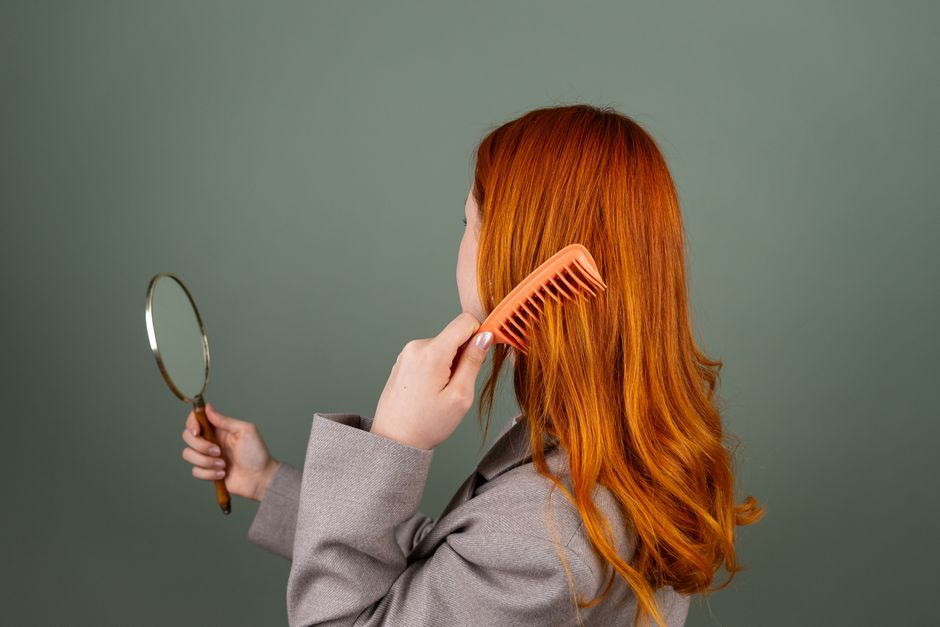
Use a wide-toothed comb or a brush designed specifically for hair replacement systems. Never use a regular brush or fine-toothed comb—those create friction that damages the fibers and weakens attachment points. Work from the ends of your hair upward, slowly and carefully, to remove knots without pulling.
Detangle when your hair is dry. Wet hair is more fragile and prone to breakage. Spend a few minutes each morning and evening on this step. It takes maybe five minutes total, and it's the best prevention you can do.
Washing Your Hair Replacement System
Washing needs to be gentle, but it's essential for scalp health and fiber cleanliness.
Use lukewarm water, never hot. Hot water can weaken the attachment bonds and damage the hair fibers. Choose a mild, sulfate-free shampoo and conditioner designed for delicate or treated hair. Harsh products strip natural oils and cause fiber deterioration.
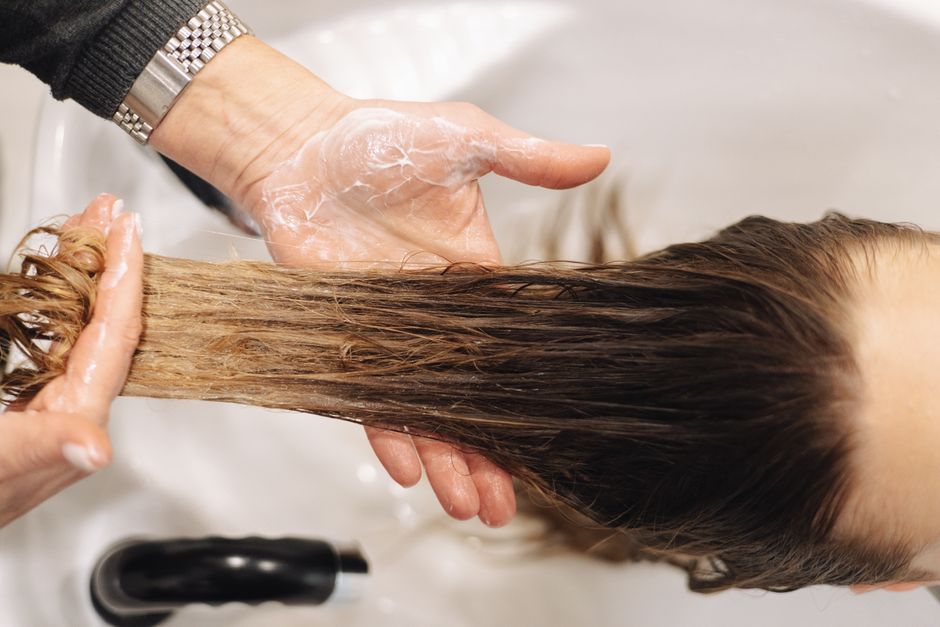
Wet your hair gently and apply shampoo with your fingertips, focusing on the scalp base. Avoid aggressive scrubbing. Rinse thoroughly but gently. Apply conditioner to the mid-lengths and ends, then rinse completely. Squeeze out excess water with a soft towel—don't wring or twist your hair.
How often should you wash? That depends on your lifestyle and how much your scalp produces oils. Most people wash every two to four days. Your stylist at Non-Surgical Hair Replacement can recommend a schedule based on your specific system and scalp condition.
Drying and Styling With Low Heat

Air drying is ideal. If you must use heat, keep it low and brief.
Pat your hair dry with a microfiber towel or an old cotton t-shirt. Avoid regular terry cloth towels, which create friction and frizz. Let your hair air dry as much as possible. If you use a blow dryer, use the coolest setting on low speed, and keep the dryer at least six inches from your scalp and hair.
Skip high-heat styling tools like flat irons, curling irons, or hot rollers. These damage hair replacement fibers much faster than they damage natural hair. If you want to style your hair, work with your salon professional to explore low-heat or no-heat options that work for your system.
Brushing and Daily Handling
Regular brushing is part of core maintenance, but technique matters.
Brush gently and only when necessary. Use your designated wide-toothed comb or replacement brush, never regular hairbrushes. Brush in the direction of hair growth, working from ends to roots. Never brush aggressively or when your hair is tangled, wet, or matted.
Handle your hair gently throughout the day. Avoid running your fingers through your hair constantly, and be careful when you sleep. Some people find that sleeping with their hair in a loose braid or ponytail reduces tangling overnight.
Scalp Health as Your Foundation
Your scalp is the foundation of everything. Healthy scalp skin means better attachment longevity and overall comfort.
Keep your scalp clean but not over-washed. Too much washing dries out scalp skin and can cause irritation. Between shampoos, you can rinse your scalp gently with cool water. If your scalp feels dry or itchy, ask your stylist for scalp care recommendations—there are gentle products designed specifically for people wearing hair replacement systems.
Avoid scratching or picking at your scalp, even if it itches. Irritation weakens attachment points and can lead to uncomfortable skin issues. If you have persistent itching or redness, talk to your stylist about solutions.
Avoiding Moisture and Climate Challenges
Excess moisture is the enemy of hair replacement systems. Water, sweat, and humidity can compromise attachment bonds and degrade fibers over time.
Avoid swimming or soaking in water while wearing your system. If you're active and sweat heavily, rinse your scalp with cool water afterward and dry it completely. In humid climates, take extra care to dry your hair fully after any moisture exposure.
If you live in a very humid area or spend time outdoors frequently, ask your stylist about climate-adjusted care protocols. Your system might need more frequent touch-ups or different maintenance routines depending on where you live and what activities you do.
Building a Sustainable Daily Routine
The best hair replacement maintenance is the routine you'll actually stick with. You don't need to spend hours every day, but you do need consistency.
Here's a realistic daily routine: Gently detangle with a wide-tooth comb each morning and evening (5 minutes total). Wash your system every few days using lukewarm water and gentle products (10 minutes). Air dry whenever possible. Avoid high heat and aggressive handling throughout the day.
That's it. If you follow those basics, your system will stay in excellent condition. When you need professional care, adjustments, or styling help, the team at Non-Surgical Hair Replacement is here to support you with expert guidance tailored to your specific system and lifestyle.
When to Seek Professional Help
Some maintenance tasks need professional hands. Regular appointments with your stylist keep your system secure, clean, and perfectly positioned. They can also spot early signs of wear that you might miss at home.
If you notice tangling that won't come out, unusual shedding, attachment looseness, or scalp irritation, don't try to fix it yourself. Schedule a professional maintenance visit. Small problems are much easier to solve than major damage.
Your stylist can also recommend specific products and techniques suited to your hair type, scalp condition, and lifestyle. Everyone's system is a little different, so personalized advice makes a real difference.
What's Normal and What Isn't
Some things about hair replacement systems are totally normal. A little shedding of loose hairs is expected. Minor changes in texture or shine over time are normal as fibers age. It's also normal to need touch-ups and maintenance appointments periodically.
What's not normal: sudden large amounts of hair loss, widespread tangling that doesn't come out with gentle combing, visible thinning in specific areas, strong scalp pain or severe itching, or attachment failure. If you experience any of these, reach out to your stylist right away.
People Also Ask
How often should I visit a salon for professional maintenance?
Most people benefit from professional maintenance every 4 to 8 weeks, depending on their system type, how active they are, and how much their scalp produces oils. Your stylist will recommend a schedule that works for your lifestyle.
Can I color or chemically treat my hair replacement?
That depends on your specific system. Some systems can be colored or treated, while others can't. Always ask your stylist before attempting any chemical treatment. Professional application is safer than at-home treatments.
What should I do if my hair replacement tangles badly?
Stop and use a gentle, wide-tooth comb to work through the tangle slowly. Never force it or use a regular brush. If the tangle is severe or won't come out, have your stylist help. Forcing tangles causes fiber damage and can loosen attachment points.
Is it okay to sleep in my hair replacement?
Yes, but be gentle. Sleep on a soft pillow, avoid tossing and turning aggressively, and consider a loose braid or ponytail to reduce tangling overnight. If you sleep very actively or experience major tangling, ask your stylist for overnight care tips specific to your system.