
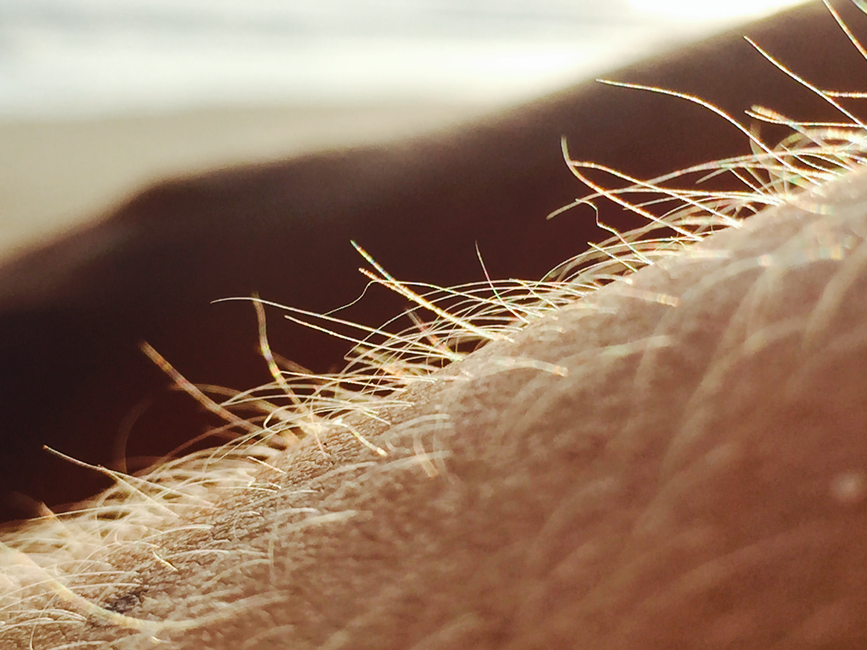
Hair is a protein filament that grows from follicles deep in your skin's dermis layer. It's way more than just something sitting on your head — it's a living structure that reflects your overall health, frames your face, and plays a huge role in how you feel about yourself.
If you've ever wondered what's actually happening under your scalp or why your hair behaves the way it does, you're in the right place. This guide breaks down the biology of hair, why it matters, and what you can actually do to keep it healthy and strong.
How Hair Actually Works: The Basic Structure
Your hair isn't just one simple thing. It's made up of several layers, each with a specific job.
The hair follicle is where everything starts. It's a tiny pocket in your skin that produces new hair cells. Deep inside the follicle is the hair bulb, which contains living cells that divide and push upward, creating the hair shaft we see.
The actual hair shaft has three layers: the cuticle (the protective outer layer), the cortex (the thick middle layer that gives hair its strength and color), and the medulla (the innermost core, though not all hair has a visible medulla).
Your hair is made of a protein called keratin, the same stuff in your nails and skin. This protein gives hair its structure and strength. When your hair is healthy, these layers are smooth and aligned. When it's damaged, they get rough and chaotic.
Why Your Hair Matters Beyond Looks
Yes, hair affects your appearance. But it also serves real biological purposes.
Hair protects your scalp from UV damage and temperature changes. It helps regulate heat. It's a sensory organ that picks up on touch and movement. And honestly? Hair is a defining characteristic of all mammals. It's part of what makes you human.
For a lot of people, experiencing hair loss or thinning is emotionally significant. It's not shallow to care about this. Your hair is visible every single day, and changes to it affect your confidence and self-image. That's why Hairnonsurgicalreplacement takes hair restoration seriously as both a physical and emotional journey.
Hair Growth Cycles and What Affects Them
Hair doesn't grow continuously at the same rate. It goes through phases.
The anagen phase is the active growth phase, lasting 2-7 years depending on genetics. This is when hair cells are dividing and pushing upward. The catagen phase is a brief transition phase lasting a few weeks. The telogen phase is the resting phase, lasting 2-4 months, after which hair sheds and the cycle starts again.
It's normal to lose 50-100 hairs per day as they cycle through. If you're losing significantly more than that, or noticing visible thinning, it's worth getting a professional assessment.
Several things affect these cycles: genetics, stress, nutrition, hormones, age, and overall health. Some of these you can control, some you can't.
Common Hair Health Issues and What Causes Them

Understanding what's going wrong with your hair is the first step to fixing it.
Hair loss and thinning can happen for lots of reasons. Genetics is huge — if your family has a history of hair loss, you're more likely to experience it. Hormonal changes (like during pregnancy, menopause, or thyroid issues) can trigger shedding. Stress, poor nutrition, certain medications, and autoimmune conditions all affect hair growth too.
Damaged, brittle hair usually comes from heat styling, chemical treatments, or rough handling. Environmental factors like sun exposure and chlorine also damage the hair cuticle.
Scalp issues like dryness, oiliness, or irritation affect the environment where hair grows. A healthy scalp = healthier hair growth.
The good news? professional hair restoration services and personalized care routines can address most of these issues. A specialist can help you figure out exactly what's happening and create a plan tailored to your situation.
Professional Solutions for Hair Restoration
If you're dealing with hair loss or thinning, professional help makes a real difference.
Non-surgical hair replacement is a game-changer for people who want immediate, natural-looking results without surgery. These are custom solutions that blend seamlessly with your existing hair and can be styled, washed, and maintained like real hair.
Professional hair treatments and scalp care can improve the health of your existing hair, sometimes helping regrow what you've lost or slow further thinning.
Expert styling and cuts make a huge difference too. A professional stylist can work with your hair type and loss pattern to create a cut and style that looks full and intentional.
The key is getting a proper consultation. Everyone's situation is different. Your age, genetics, the pattern of loss, your lifestyle, and your goals all matter. A specialist will assess all of this and recommend the right combination of solutions for you.
Seasonal Hair Care and Protection
Your hair's needs change with the seasons, especially in summer.
Summer sun, chlorine, salt water, and humidity all damage your hair differently. UV rays can fade color and weaken the protein structure. Chlorine strips natural oils. Salt water makes the cuticle rough. High humidity can cause frizz and make thinning more visible.
Adjusting your routine seasonally helps prevent damage. That might mean using UV-protective products, rinsing after swimming, deep conditioning more often, or limiting heat styling during hot months.
The broader point: Hairnonsurgicalreplacement recommends simplifying your routine and focusing on what actually matters for your specific hair needs. A professional can help you cut through the noise of endless products and find what actually works for you.
Building a Sustainable Hair Care Routine

You don't need 10 products and 30 minutes every morning. You need the right approach for your hair type and concerns.
Start with basics: a gentle cleanser suited to your hair, a conditioner, and protection from heat and UV damage. If you're dealing with hair loss or thinning, targeted treatments matter more than luxury serums.
Wash in lukewarm water, not hot. Avoid rough brushing when wet. Let your hair air-dry when possible. Get regular trims to keep ends healthy. And seriously, minimize tight hairstyles that pull on your roots.
If your routine feels complicated or isn't working, get professional guidance. A stylist can recommend products and techniques specifically for your hair, cutting out the guesswork.
The Modern Beauty Approach to Hair in 2026
The beauty industry is shifting toward something more real and personal.
Instead of chasing trends or copying celebrity hair, the focus now is on what actually works for your hair, scalp, and lifestyle. It's about soul-soothing self-care and feeling comfortable in your own skin — and with your own hair.
Creativity and boundary-pushing are cool, but so is showing up as your best self. If that means addressing hair loss or thinning, that's a legit beauty choice. If it means simplifying your routine and investing in professional care, that's smart.
When to Seek Professional Hair Consultation
You don't have to wait until hair loss is severe to reach out for help. Early consultation is actually ideal because more options are available when you catch changes early.
Consider scheduling a consultation if you notice increased shedding, visible thinning, changes in hair texture, scalp irritation, or if hair loss runs in your family and you want to be proactive.
A trained professional will evaluate your scalp, hair type, loss pattern, and overall health to understand what's going on. They'll explain your options clearly and help you choose solutions that match your goals and lifestyle.
If you're in the northern New Jersey area, Hairnonsurgicalreplacement offers personalized hair restoration consultations combined with comprehensive salon and spa services. You get expert assessment, natural-looking solutions, and the full beauty experience in one place.
Real Talk: What to Expect From Hair Solutions
Hair restoration isn't magic, but it works. The key is having realistic expectations and understanding that different solutions work for different people.
Non-surgical replacement gives immediate results and looks incredibly natural. Professional treatments and improved care routines take longer but can genuinely improve hair health. Combining approaches often works best.
Your hair won't look exactly like it did 10 years ago — nobody's does. But it can look healthy, full, and like the best version of your actual hair. That's the goal.
FAQs About Hair
What is hair made of?
Hair is made of a protein called keratin, organized into layers: the cuticle (outer protective layer), the cortex (gives hair strength and color), and sometimes the medulla (inner core). It grows from follicles in your skin's dermis layer.
How much hair loss is normal?
Losing 50-100 hairs per day is normal as hair cycles through its growth phases. If you're losing noticeably more than that, seeing visible thinning, or noticing changes in hair density, it's worth getting a professional evaluation.
Can damaged hair be repaired?
Damaged hair can't truly repair itself because hair is made of dead protein cells. Once the cuticle is damaged, you can't reverse it. You can protect it with conditioning and careful handling, but the damaged section will eventually need to be cut off. Prevention is easier than repair.
How often should I wash my hair?
It depends on your hair type, scalp condition, lifestyle, and what you use. Some people thrive washing once a week; others need daily washing. The goal is keeping your scalp clean and healthy without over-stripping natural oils. A professional stylist can recommend a schedule for your specific hair.